Description

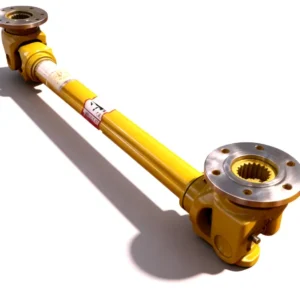
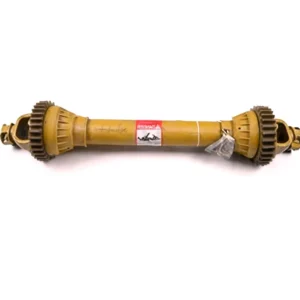
The transmission shaft is one of the most crucial components in a truck’s transmission system. Its main function is to transmit the power generated by the engine to the drive wheels, enabling the vehicle to move forward. The driveshaft connects the engine to the differential, transferring torque and rotational force, ensuring the truck operates efficiently.
The Importance of the Transmission Shaft in Trucks
In trucking, the transmission shaft is not just a medium for transmitting power; it is also responsible for balancing and converting torque, ensuring the vehicle’s stability and reliability. The design and performance of the transmission shaft directly impact the truck’s acceleration, traction, driving comfort, and fuel efficiency.
Key Characteristics of a High-Quality Transmission Shaft
A high-quality transmission shaft should possess the following key features:
-
Strength and Durability: The transmission shaft must withstand high torque from the engine and heavy loads during operation. To ensure longevity and reliability, high-quality transmission shafts are made from high-strength alloy steel or other durable materials that can handle intense working conditions without deformation or failure.
-
Stiffness and Balance: Proper stiffness and balance are essential to reduce vibration and noise. Excellent balance and vibration control enhance driving comfort and reduce driveline energy losses and wear.
-
Lightweight Design: As fuel economy and environmental performance become more critical, the lightweight design of the transmission shaft is increasingly important. Using lightweight materials and optimizing the structure can reduce the weight of the transmission shaft, decrease the overall vehicle load, and improve fuel efficiency.
-
Precision Manufacturing and Assembly: Precise manufacturing and assembly are crucial for ensuring the performance and reliability of the transmission shaft. High-precision machining and assembly processes ensure the shaft’s balance and proper fit, thereby improving transmission efficiency and system reliability.
In conclusion, the transmission shaft plays a key role in the truck’s transmission system and is vital to the performance, stability, and reliability of the truck. High-quality transmission shafts should feature strength, durability, stiffness, balance, and lightweight design to meet the demands of trucking and improve overall performance and efficiency.
Transmission Shaft Design and Material Selection
Transmission shafts are typically designed with a hollow steel tube structure that has specific length and diameter requirements. They are often composed of two or more connected parts to meet the layout and needs of the truck’s drivetrain. The design must balance weight and stiffness to ensure stable performance when rotating at high speeds and under high torque.
The design of a transmission shaft requires sufficient stiffness to prevent excessive deformation when subjected to torque. It must be designed to handle both bending and torsional stiffness, allowing it to withstand the engine’s torque and transfer it to the drive wheels. By selecting appropriate materials and optimizing the design, the transmission shaft can maintain sufficient stiffness to ensure efficient and stable power transmission.
Material Selection
The most common materials for transmission shafts are high-strength alloy steel and carbon fiber composites. High-strength alloy steel offers exceptional strength and durability, capable of withstanding high torque and heavy loads. It is widely used in the manufacturing of transmission shafts due to its good machinability and cost-effectiveness.
Another material option is carbon fiber composites. Carbon fiber provides excellent strength and stiffness while being lightweight. This allows for a lighter-weight shaft design, improving fuel economy and vehicle performance. However, carbon fiber composites are more expensive to manufacture, which is why they are typically used in high-performance or premium trucks.
The goal of transmission shaft design and material selection is to provide sufficient strength and durability to meet the demands of a truck’s driveline. By utilizing hollow steel tube structures, sound design principles, and high-strength materials such as alloy steel or carbon fiber composites, the transmission shaft can maintain reliability and performance under high loads and harsh operating conditions.
Transmission Shaft Load and Torque Handling Capabilities
Transmission shafts play a crucial role in handling heavy loads and high torque in truck applications. They are responsible for transferring the torque generated by the engine to the drive wheels, ensuring smooth and efficient power transmission. The design and material selection of the transmission shaft are key factors in its ability to handle these demanding conditions and provide reliability.
Transmission shafts are designed to handle the substantial torque generated by the engine, particularly in trucks. They must withstand the twisting forces and bending loads that occur during operation. The length, diameter, and wall thickness of the transmission shaft are carefully calculated to provide the necessary strength and stiffness to handle the expected loads.
Material and Design Considerations
To efficiently transfer torque, transmission shafts are usually made from solid or hollow cylindrical tubes of high-strength materials like steel or composite materials. Steel transmission shafts are commonly used in trucks because of their excellent strength and durability, enabling them to withstand high torque levels and heavy loads.
Composite transmission shafts, particularly those made from carbon fiber-reinforced polymer (CFRP), have become increasingly popular. CFRP shafts offer high strength and stiffness while being much lighter than their steel counterparts. This weight reduction helps improve fuel efficiency and overall vehicle performance. Additionally, composite materials are more resistant to corrosion and fatigue, further enhancing the shaft’s reliability and longevity.
Transmission shaft design also includes considerations for factors like critical speed, resonance, and balancing. Critical speed refers to the rotational speed at which the shaft may experience excessive vibration or even failure. Proper design and material selection ensure that the transmission shaft operates within a safe and efficient range of rotational speeds.
Dynamic Balancing
Balancing is another critical aspect of transmission shaft design. Imbalances in the shaft can cause vibrations and increase stress on components, potentially leading to premature failure. Precise manufacturing techniques, including dynamic balancing, are employed to minimize imbalances and ensure smooth operation.
Overall, the design and material selection of transmission shafts are essential for handling high torque and ensuring reliability in truck applications. Through careful engineering, transmission shafts are designed to withstand heavy loads and efficiently transmit torque. Whether made from steel or composite materials, transmission shafts are engineered to meet the demanding requirements of truck operations while maintaining smooth power transfer and drivetrain integrity.
Enhance Your Truck’s Performance with Our High-Quality Transmission Shaft
Are you ready to take your truck’s performance to the next level? Look no further than the Transmission Shaft from China Ever-Power Group. Engineered with precision and built to last, this transmission shaft is designed to handle the most demanding heavy-duty applications with ease.
Crafted from premium materials, our transmission shaft is designed to withstand high torque and heavy loads. Its robust construction ensures superior strength and durability, providing you with a reliable solution that will keep your truck running smoothly mile after mile.
With our transmission shaft, you can experience enhanced power transmission, ensuring that every ounce of power generated by your engine is efficiently transferred to the drive wheels. Say goodbye to power loss and inefficient torque transfer. Our transmission shaft ensures maximum acceleration and pulling power when you need it most.
Invest in our transmission shaft and unlock your truck’s true potential. Whether you’re hauling heavy cargo, navigating challenging terrains, or simply looking to boost overall performance, our product is the ultimate solution for you.
FAQ
What is a transmission shaft and how does it work?
A transmission shaft is a key component in the drivetrain that transmits the engine’s power to the drive wheels. It transfers torque and rotational force, enabling the truck to move and perform efficiently.
What materials are used in high-quality transmission shafts?
High-quality transmission shafts are typically made from high-strength alloy steel or carbon fiber composites. Alloy steel offers durability and strength, while carbon fiber provides a lightweight alternative with high stiffness and strength.
How do I know if my truck’s transmission shaft needs replacement?
If you notice unusual vibrations, noise, or difficulty in transmitting power from the engine to the wheels, it could be a sign of damage to the transmission shaft. It’s important to have it checked regularly to prevent further damage to the drivetrain.
Can a damaged transmission shaft affect the performance of my truck?
Yes, a damaged transmission shaft can cause inefficient power transfer, leading to poor acceleration, reduced fuel efficiency, and increased wear on other drivetrain components.
How does the design of the transmission shaft affect truck performance?
The design impacts the balance, stiffness, and strength of the transmission shaft. A well-designed shaft improves torque transfer efficiency, reduces vibration, and enhances driving comfort, ultimately improving vehicle performance.
What are the benefits of using a carbon fiber transmission shaft?
Carbon fiber transmission shafts are lighter, which reduces vehicle weight and improves fuel efficiency. They also have better corrosion resistance and fatigue strength compared to traditional steel shafts.
How does a lightweight transmission shaft impact fuel economy?
By reducing the overall weight of the truck, a lightweight transmission shaft decreases the load on the engine, which leads to improved fuel economy and better overall performance.
What is the role of balancing in the transmission shaft?
Balancing ensures smooth operation by preventing vibrations that can cause premature wear or failure. A well-balanced transmission shaft distributes forces evenly, reducing stress on the drivetrain components.
How can I extend the lifespan of my truck’s transmission shaft?
Regular maintenance, including checking for alignment and ensuring proper lubrication, can extend the lifespan of the transmission shaft. Avoiding overloading the vehicle and ensuring proper driving habits also contribute to longevity.
What is the ideal torque capacity for a transmission shaft in a heavy-duty truck?
The ideal torque capacity depends on the engine’s output and the truck’s specific application. For heavy-duty trucks, the transmission shaft should be designed to handle the high torque generated by the engine, typically ranging from 1,000 to 3,000 Nm or more.
Customer Reviews
“I’ve been using this transmission shaft for months now, and my truck’s performance has drastically improved. No more vibrations, and the power transfer is smooth!”
“As a fleet manager, reliability is key. These transmission shafts have proven to be incredibly durable and reduce maintenance costs significantly.”
“After replacing my old shaft with this one, the difference in fuel efficiency was noticeable. I’ve saved more at the pump and feel the truck runs smoother.”
“I opted for the carbon fiber version of this transmission shaft, and I can definitely feel the difference in weight. It’s lighter and more responsive, which has helped improve my truck’s acceleration.”
“Great product! I was having issues with my truck’s acceleration and found out it was a damaged transmission shaft. After the replacement, my truck is running like new.”