
Australian Driveshaft Pty Ltd provides heavy-duty drive shafts built for the intense demands of forage harvesting across Australia’s dairy and beef regions. From the lush pastures of Gippsland in Victoria to the vast maize fields in the Riverina of New South Wales, forage harvesters—both pull-type and self-propelled—depend on reliable power transfer to chop and process high volumes of silage crop efficiently during tight seasonal windows.

Power Delivery Challenges in Forage Harvesting Operations
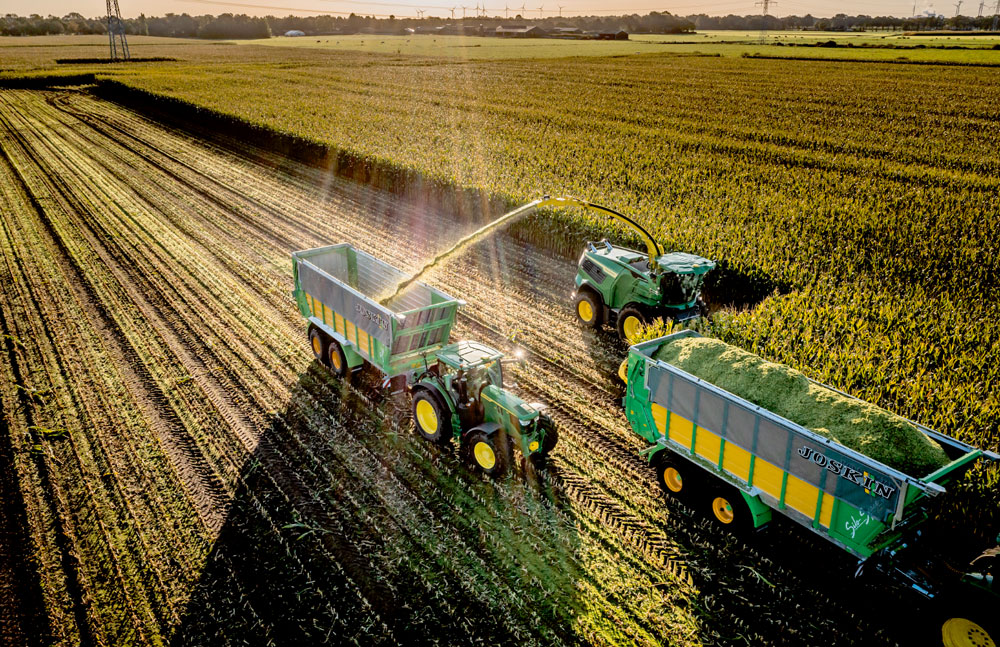
Forage harvesters cut, chop, and blow green crops like maize, sorghum, or grass into trailers for silage production, requiring massive torque from the tractor PTO in pull-type models or direct engine integration in self-propelled units. In Australia, where dairy farms in Tasmania and Victoria prioritize high-quality ryegrass silage for year-round milk production, pull-type harvesters pulled by 200-400 HP tractors dominate smaller to medium operations. The drive shaft here faces extreme loads—starting torque can spike when engaging thick, wet crop, while continuous operation at 1000 RPM demands flawless balance to avoid vibration damaging the chopper drum or kernel processor.
Self-propelled machines, increasingly popular in large-scale contracting across Queensland’s grain and fodder belts, incorporate internal drivelines but often use auxiliary PTO shafts for headers or add-ons. Across both types, Australian conditions add layers of difficulty: sticky maize residue clogs joints, fine dust from dry sorghum abrades seals, and uneven paddocks from irrigation create constant angular changes up to 40 degrees. Over a decade supplying contractors in the Murray Valley, we’ve refined shafts with enhanced telescoping and wide-angle capability to handle these shifts without binding, allowing operators to maintain ground speeds over 12 km/h even on contours.
In mixed farming systems common in South Australia, where maize silage follows wheat harvest, quick hitch changes are routine. Our shafts with auto-lock yokes enable fast transitions, minimizing downtime during peak seasons. Torque limiters prove invaluable when hitting hidden rocks in river flat soils, slipping to protect expensive chopper components rather than shearing bolts mid-field.
One veteran contractor near Tamworth shared how upgrading to our reinforced series eliminated seasonal joint replacements, even in heavy lodged sorghum that previously caused overload failures. The smoother power flow also reduced fuel consumption noticeably on long days covering hundreds of hectares.
Core Technical Parameters for Forage Harvester Drive Shafts
| Parameter | Description | Typical Australian Specification |
|---|---|---|
| Operating Speed | PTO RPM range | 1000 RPM primary, 540 optional |
| Maximum Torque | Peak load capacity | 3000 to 6000 Nm |
| Angular Tolerance | Maximum operating angle | 35 degrees standard, 80 degrees wide-angle |
| Telescoping Range | Length adjustment | 500 to 1000 mm |
| Tube Profile | Torque transmission shape | Triangular or star for heavy duty |
| Universal Joint Dimensions | Cross and bearing size | 35×106.5 mm to 42×119 mm |
| Tractor Side Spline | Common connections | 1-3/8″ 21-spline or 1-3/4″ 20-spline |
| Implement Side Connection | Harvester input | Quick-release clamp or bolted yoke |
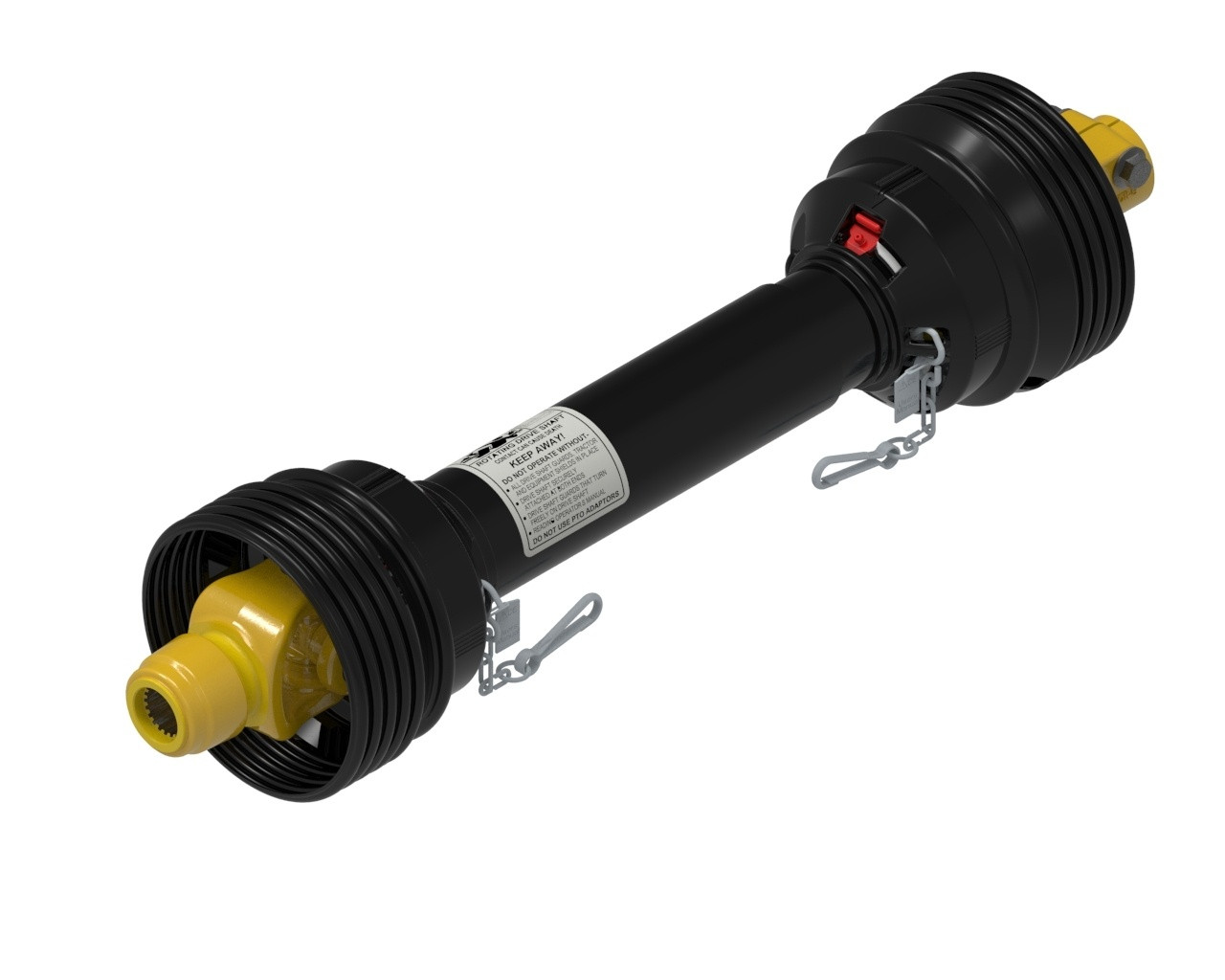
| Guard Design | Safety shielding | 360-degree rotating with chain |
| Balance Standard | Vibration control | ISO G4.0 or superior |
| Maximum Extended Length | Full working span | 1800 to 3000 mm |
| Safety Overlap Minimum | Tube engagement | 300 mm or 40% length |
| Torque Limiter Rating | Overload slip | 4000 to 8000 Nm adjustable |
| Cross Journal Life | Greased intervals | 400-800 hours in silage |
| Seal Protection | Residue ingress | Triple-lip with deflector |
| Material Grade | Tube and components | High-tensile St52.3 steel |
| Assembly Weight | Per unit | 25-45 kg |
| Constant Velocity Option | Smooth power at angles | Double CV joints available |
| Shear Protection | Bolt grade | M16 grade 10.9 |
| Friction Clutch Plates | Disc count | 6-10 asbestos-free |
| Dynamic Balance Test | Factory speed | 1500 RPM |
| Surface Treatment | Corrosion resistance | E-coat plus powder |
| Temperature Rating | Operating range | -20°C to 85°C |
| Guard Material | Impact strength | Reinforced polyethylene |
| Grease Frequency | Maintenance | Every 50 hours heavy use |
| Power Handling | At 1000 RPM | 300-600 HP |
| Yoke Forging | Strength process | Hot forged 1045 steel |
| Release Mechanism | Connection type | Auto-lock collar |
| Safety Compliance | Australian standards | AS 1121 and ISO 5674 aligned |
| Overrunning Clutch | Inertia management | Roller or sprag type |
| Tube Thickness | Wall gauge | 4-6 mm |
| Spline Engagement | Minimum depth | 70 mm |
| Vibration Isolation | Dampening features | Optional rubber elements |
| Header Compatibility | Row-independent | Wide range adapters |
Gippsland Dairy Silage Harvesting Realities
Victoria’s Gippsland stands out for intensive dairy production, where multiple silage cuts per year from ryegrass and maize demand harvesters that operate reliably in wet, heavy conditions. Pull-type units behind Fendt or John Deere tractors cover wide swaths, but sticky crop residue challenges standard shafts. Farmers here favor heavy-series designs with superior sealing; one large cooperative near Leongatha reported extending shaft life from one to three seasons after adopting our triple-lip protected joints, even when processing over 1000 tonnes daily during maize peak.
The region’s rolling hills require exceptional angular freedom—wide-angle CV shafts prevent power loss on slopes, maintaining chopper efficiency. Comparisons with imports like Walterscheid or Bondioli & Pavesi (for technical reference only, Australian Driveshaft Pty Ltd is an independent manufacturer) reveal our shafts better resist the corrosive effects of effluent from dairy runoff, thanks to advanced coatings developed for local soils.
Contractors appreciate integrated overrunning clutches that handle the massive inertia of loaded chopper drums, preventing backlash damage to tractor gearboxes during sudden stops on slippery paddocks.

Riverina Maize Silage Contractor Experiences
In New South Wales’ Riverina, vast irrigated maize fields feed both dairy and beef operations, with contractors running self-propelled harvesters supplemented by tractor-pulled units for flexibility. High throughput demands shafts transmitting over 500 HP without falter. One experienced operator near Griffith highlighted how balanced, heavy-duty shafts reduced vibration that previously loosened kernel processor rolls, improving silage quality noticeably.
Dust and chaff from dry headers test durability—our reinforced star-profile tubes withstand abrasion where lighter options deform. Torque limiters calibrated for maize loads slip predictably on rocks common in flood-prone areas, saving expensive repairs mid-harvest.
Quick length adjustments accommodate varying tractor models in contractor fleets, while robust guards endure branch impacts in windbreak-lined fields.
Complementary Gearboxes and Supporting Components from Australian Driveshaft Pty Ltd
Australian Driveshaft Pty Ltd manufactures a full spectrum of gearboxes engineered specifically for forage harvesting power trains, delivering seamless compatibility with our drive shafts for unmatched field reliability. Our right-angle bevel gearboxes dominate chopper drum drives in pull-type harvesters, featuring hardened spiral bevel gears in ratios from 1:1 to 1:3 for optimal speed matching to crop type. Built with heavy cast housings and oversized bearings, these units endure the shock loads from engaging dense maize stands, maintaining alignment even after thousands of hours in abrasive residue.
For kernel processing units that crack grains thoroughly in dairy silage, our parallel shaft gearboxes provide precise roll speed differentials, with helical gearing ensuring quiet operation and torque capacities exceeding 5000 Nm. Multiple mounting flanges suit various harvester frames prevalent in Australian models, while oil-cooled designs dissipate heat during extended runs in summer harvests.
Header gearboxes for row-independent corn heads incorporate planetary reductions for compact power density, driving pickup reels and augers efficiently. High-reduction worm gearboxes serve blower drives, delivering the velocity needed to fill trailers quickly without excessive wear.
Beyond gearboxes, we produce comprehensive safety devices including ratchet torque limiters that engage instantly at preset loads, cam overrunning clutches for smooth inertia control, and multi-disc friction clutches with fine adjustment for varying crop densities. Asbestos-free linings ensure long life and environmental safety.
Universal joint assemblies in oversized configurations facilitate rapid repairs, while forged yokes in premium alloys provide superior strength at stress points. Spline shafts and adapters bridge generation gaps in mixed fleets, allowing older tractors to power modern harvesters effectively.
Complete guarding systems with integrated bearings and anti-wrap chains meet rigorous Australian machinery codes, complemented by quick-release mechanisms for fast implement changes. Maintenance kits include specialized greases resistant to crop juices, replacement cross kits, and seal packs for seasonal overhauls.
Custom couplings and telescoping assemblies accommodate unique setups, while vibration-dampening elements reduce operator fatigue on long days. All components undergo extensive testing—load cycling, residue exposure, and thermal extremes mimicking Riverina summers—to guarantee performance where it matters most.
These integrated offerings reduce overall operating costs through extended service intervals and minimized breakdowns. Contractors across states consistently achieve higher daily tonnages when equipping with our matched shaft and gearbox solutions, tailored precisely to Australia’s diverse silage challenges. Detailed capacity tables, mounting specifications, and lubrication guides further support optimal selections for specific harvester configurations.
Australian silage production continues strong into 2026, with favorable conditions boosting maize yields in key irrigation districts and new harvester models enhancing efficiency nationwide.
Frequently Asked Questions
What drive shaft series suits most Australian forage harvesters?
Series 8 or higher for pull-type units over 300 HP; match torque rating to harvester input and include wide-angle for terrain.
How do I prevent residue buildup on harvester shafts?
Grease thoroughly after each use and use shafts with deflector rings; multi-lip seals minimize ingress in sticky crops.
Why install a torque limiter on forage harvester shafts?
Essential protection against rocks or dense crop—adjustable friction types slip smoothly, avoiding shear bolt changes mid-field.
Can standard shafts handle self-propelled harvester headers?
Auxiliary headers yes, but verify length and angle; heavy-duty with CV joints recommended for row-independent units.
How often grease shafts in silage season?
Every 40-50 hours or daily in heavy maize; use high-adhesion grease to combat washout from wet crop.
What causes shaft failure in maize harvesting?
Overload from starting in thick stands or imbalance from residue; proper sizing and regular cleaning prevent most issues.
Is wide-angle essential for pull-type harvesters?
Critical in undulating Australian paddocks—80-degree capability maintains power on turns and hills.
How measure correct shaft length for harvester?
From tractor PTO to harvester input at lowest header position; allow generous overlap and full extension without separation.
Do overrunning clutches help forage harvesters?
Yes—manage chopper inertia during PTO disengagement, protecting tractor driveline.
What maintenance extends life in dusty sorghum?
Clean guards daily, grease all points, inspect for wear; store covered to prevent UV degradation.