
These shafts compensate for thermal expansion in hot drying sections, absorb roller vibrations, and maintain alignment over distances that can exceed six metres. Whether supporting Opal’s sustainable packaging grades in Victoria or Visy’s high-volume board production in New South Wales, the right shaft design keeps production flowing without interruption.

Practical Experiences from Mills Across Australia
A senior engineer at Visy’s Tumut mill in New South Wales recalls a challenging upgrade on their board machine. Older shafts struggled with misalignment caused by foundation settling over years of operation. After installing telescopic cardan shafts with reinforced cross journals, vibration dropped noticeably, and bearing life extended well beyond previous intervals. “We gained months between planned stops,” he said, noting smoother runs during peak demand for recycled packaging grades.
In Tasmania’s Boyer Mill, maintenance teams deal with moist conditions around pulp processing areas. One technician described switching to shafts with enhanced multi-lip seals and corrosion-resistant coatings. The change reduced water ingress issues that previously caused premature wear on needle bearings. Output remained steady even during extended wet-season runs.
At Opal Australian Paper’s Maryvale facility in Victoria’s Latrobe Valley, a winder section overhaul involved replacing shorter rigid connections with longer universal shafts. The new design accommodated thermal growth in the drying cylinders, preventing stress on flanges and allowing higher operating speeds for premium paper grades.
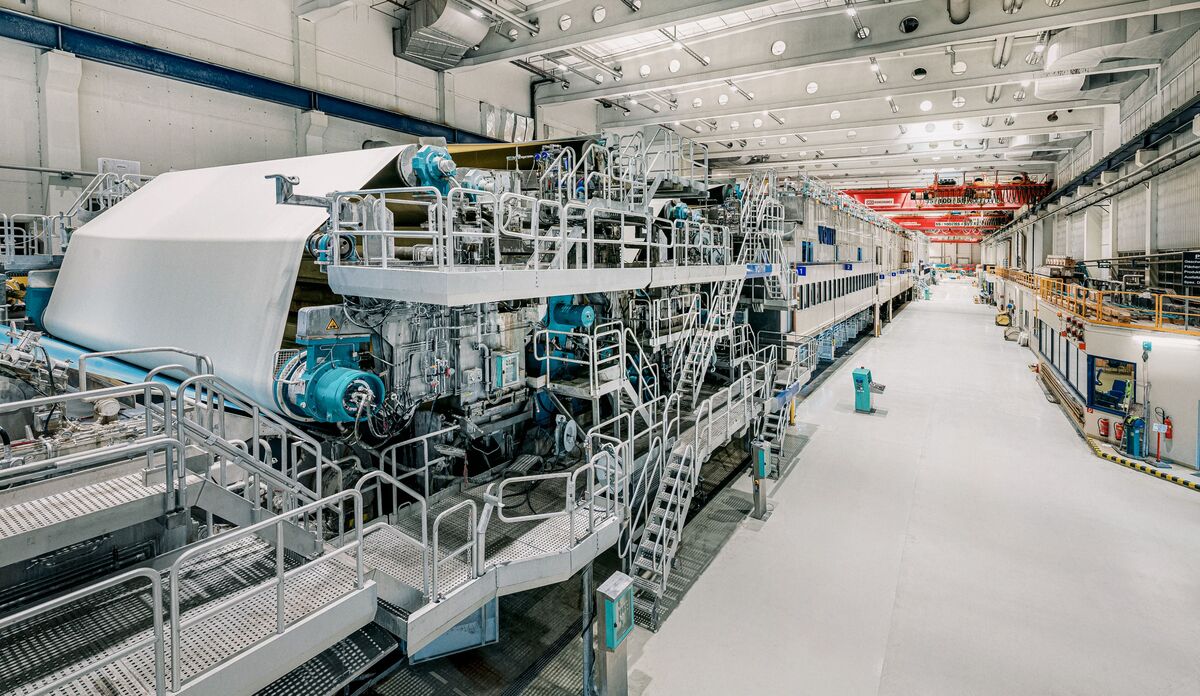
Queensland operations processing recycled fibre report similar benefits. One plant manager highlighted how balanced shafts reduced overall machine noise, improving operator conditions while maintaining precise torque delivery to calender rolls.
Key Technical Parameters for Paper Industry Applications
Australian Drive Shafts Limited designs meet the specific demands of local paper production. Below are 31 essential parameters based on installations in mills from Tasmania to Queensland:
| Parameter | Range | Typical Use in Australian Mills |
|---|---|---|
| Nominal Torque | 800–18,000 Nm | Dryer and winder drives |
| Peak Torque Capacity | Up to 28,000 Nm | Start-up loads in calenders |
| Maximum Angle | 12–20° continuous | Misaligned roller connections |
| Closed Length | 1.5–7.2 metres | Long-span paper machines |
| Extended Length | +500–1200 mm telescopic | Thermal expansion compensation |
| Tube Outside Diameter | 120–350 mm | Heavy board production |
| Wall Thickness | 8–20 mm | High fatigue resistance |
| Flange Connection | DIN or SAE pattern | Compatibility with existing rollers |
| Cross Journal Diameter | 60–180 mm | Torque handling capacity |
| Bearing Type | Needle roller with seals | Long service life |
| Dynamic Balance | G2.5 or better | High-speed operation |
| Maximum RPM | Up to 2800 | Calender sections |
| Operating Temperature | -15°C to +110°C | Hot drying environments |
| Sealing System | Viton multi-lip | Steam and moisture resistance |
| Corrosion Protection | Epoxy + zinc primer | Humid mill conditions |
| Weight per Metre | 18–75 kg | Balanced inertia |
| Expected L10h Life | >80,000 hours | Continuous 24/7 runs |
| Material Grade | 42CrMo4 quenched/tempered | Strength and toughness |
| Surface Hardness | HRC 58–64 | Wear resistance |
| Telescopic Overlap Minimum | 1/3 tube length | Safety during extension |
| Vibration Damping | Integrated flexible elements | Smooth operation |
| Noise Level | <75 dB at full speed | Operator comfort |
| Maintenance Interval | Grease every 500 hours | Practical mill scheduling |
| Flange Bolt Grade | 10.9 or higher | Secure connections |
| Guard Compatibility | AS 4024 compliant | Safety requirements |
| Overload Protection Option | Torque limiter integration | Prevent damage |
| Custom Phase Adjustment | Available on request | Precise roller timing |
| Coating Thickness | 150–300 microns | Long-term protection |
| Balance Certificate | Provided with each unit | Quality assurance |
| Warranty Period | 24 months standard | Peace of mind |
| Delivery from Stock | Common sizes ex-Australia | Fast turnaround |
Compliance with Australian Machinery Safety Standards
All Australian states and territories operate under harmonised Work Health and Safety (WHS) laws, supported by AS/NZS 4024 Safety of Machinery series. These require proper guarding, risk assessment, and verification of guarding effectiveness for rotating equipment.
Australian Drive Shafts Limited supplies complete guarding systems that meet these requirements. Mills in Victoria, New South Wales, Queensland, and Tasmania regularly pass SafeWork inspections using our fully enclosed telescopic guards and quick-release mechanisms that prevent operation without proper shielding.
Additional compliance features include clear warning labels, torque limiter options to prevent overload failures, and documentation packages that support plant risk assessments.
Critical Components and Common Replacement Parts
Reliable operation depends on quality components. Key elements include:
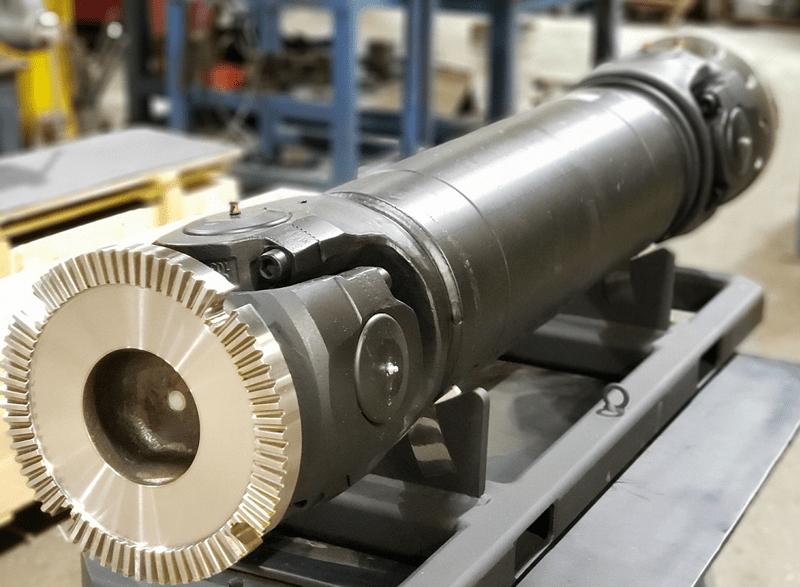
- Hardened cross journals with precision needle bearings
- Telescopic splined tubes for length adjustment
- Heavy-duty yokes and flanges
- Multi-lip seals resistant to steam and paper dust
- Complete guarding systems with inspection windows
- Optional shear bolt or friction torque limiters
Common wear items—needle bearing kits, seal sets, and grease nipples—are stocked locally for rapid delivery across Australia.
Matching Gearboxes for Complete Power Transmission Solutions
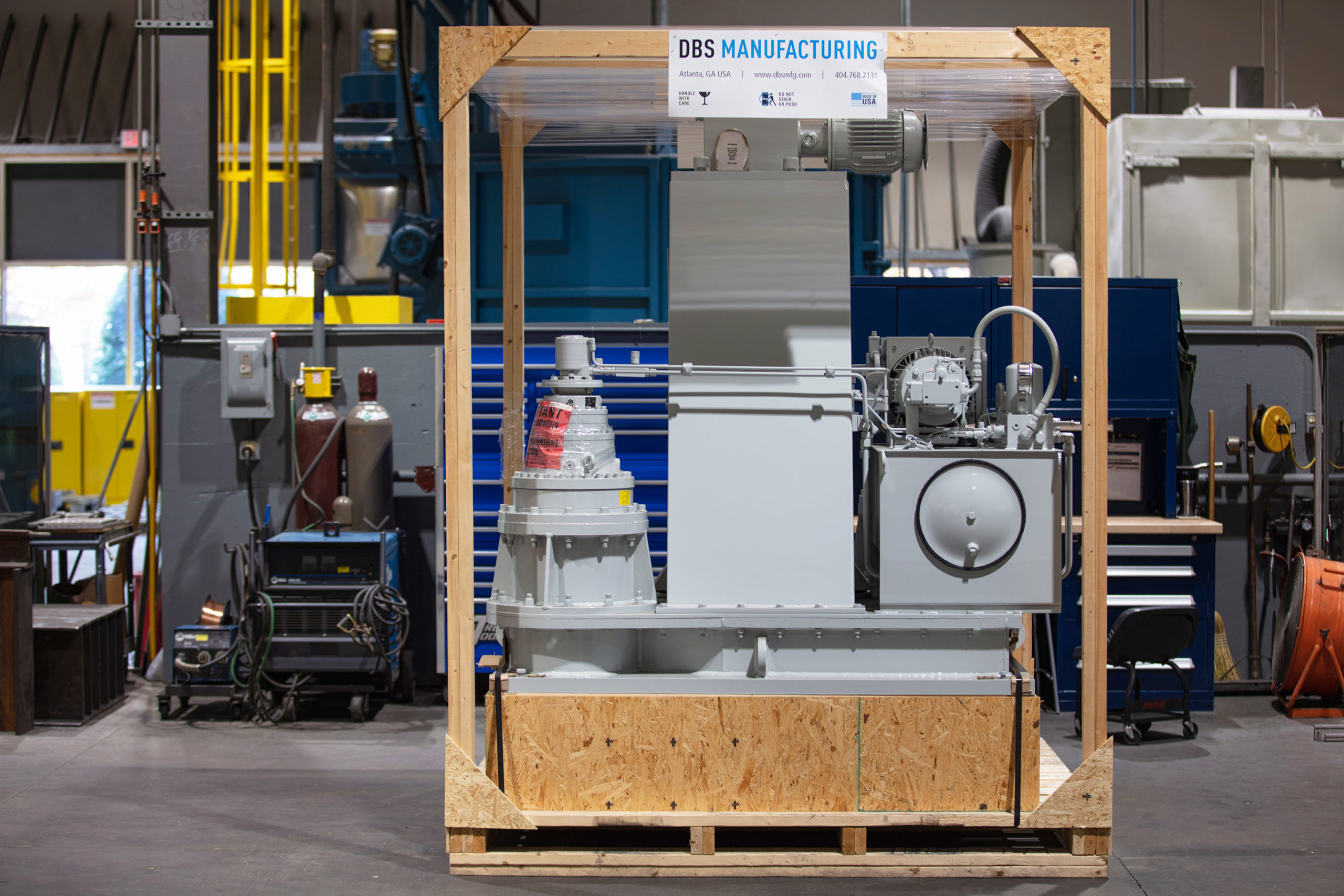
Australian Drive Shafts Limited also manufactures a full range of gearboxes that integrate perfectly with our cardan shafts in paper mill applications. These units provide the precise speed reduction and torque multiplication needed for dryer cylinders, calenders, winders, and pulp preparation equipment.
For typical dryer section drives in mills like Maryvale or Tumut, our parallel-shaft helical gearboxes offer ratios from 4:1 to 120:1 with power ratings up to 1500 kW. Hardened and ground gears deliver efficiencies above 97%, reducing energy costs in long continuous runs. Forced lubrication systems with oil coolers maintain performance in hot environments, while robust cast-iron housings withstand paper dust and occasional washdowns.
Planetary gearboxes suit compact high-torque applications such as calender stack drives. With torque capacities reaching 600,000 Nm and multiple mounting options, they fit seamlessly into existing Voith or Valmet roller arrangements (manufacturer names for technical reference only; Australian Drive Shafts Limited is an independent manufacturer). Low-backlash designs ensure uniform nip pressure and consistent paper quality.
Bevel-helical units handle angled transmissions in pulp refiners and agitators. Queensland recycled fibre plants benefit from their right-angle configuration that saves floor space while delivering smooth power to large vessels. Integrated cooling fans and temperature sensors provide early warning of any issues.
All gearboxes feature modular construction for quick ratio changes when switching between paper grades. Seal designs prevent contamination from stock or steam, extending bearing life significantly. Recent installations in New South Wales board machines achieved measured energy savings of 10–15% compared to older units.
Custom input and output flanges match existing motor and roller connections, minimising retrofit downtime. Tasmania’s kraft operations appreciate the corrosion-resistant coatings available on coastal installations.
Our engineering team provides complete drive packages—gearbox plus cardan shaft—optimised for each mill section. Vibration analysis and alignment services ensure perfect installation. Australian stock holdings mean common sizes ship within days.
Recent upgrades in Victorian mills demonstrate how combining our high-efficiency gearboxes with balanced drive shafts reduces overall power consumption while maintaining production speeds. One facility reported annual savings exceeding six figures after a staged replacement program.
Sustainability features include options for food-grade lubricants and recyclable materials. Noise levels stay below AS/NZS limits, improving workplace conditions.
Coaxial planetary units serve headbox pump drives requiring precise flow control. High radial load capacity handles belt or chain tensions without additional supports.
Worm gearboxes remain popular for smaller auxiliary drives where self-locking prevents reverse rotation. Efficiency improvements in modern designs make them viable again for certain applications.
Every gearbox undergoes rigorous testing—noise, temperature rise, and efficiency mapping—before leaving our facility. Full documentation supports compliance audits.
Customers across Australia value the local support network. From initial sizing calculations to post-installation monitoring, our engineers work alongside mill teams to maximise uptime and minimise costs.
The combination of our gearboxes and drive shafts has proven particularly effective in recycled fibre lines, where variable loads and frequent grade changes demand robust, flexible solutions.
Current Developments in Australia’s Paper Sector
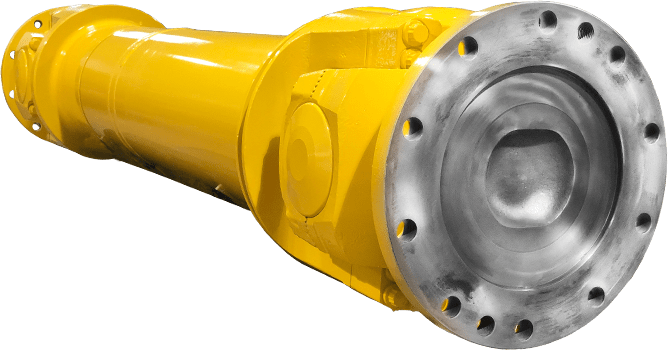
Opal continues efficiency investments at Maryvale amid strong demand for sustainable packaging materials into 2026. Visy expands recycled board capacity in New South Wales with machinery upgrades focused on energy reduction. Market reports highlight ongoing automation and sustainability initiatives across Queensland and Victorian facilities.
Contact Australian Drive Shafts Limited now for tailored drive shaft and gearbox solutions for your paper mill.
Frequently Asked Questions
How do cardan shafts handle thermal expansion in dryer sections?
Telescopic sliding sections allow controlled length changes as cylinders heat, maintaining torque transfer without binding or stress on connections—proven effective in long Victorian and NSW drying lines.
What maintenance schedule suits humid Australian mill conditions?
Inspect grease levels, seals, and balance every 4–6 months. In coastal areas like Tasmania or Queensland, check corrosion monthly to catch issues early and avoid bearing wear.
Can shafts integrate with existing roller flanges?
Custom machining matches common patterns precisely (for reference only; independent manufacturer), enabling direct replacement without alterations in calenders or winders.
Which seals best resist steam and pulp exposure?
Viton multi-lip designs with epoxy-zinc coatings excel in wet sections, significantly reducing ingress seen in older setups across Boyer and Maryvale operations.
What torque ratings fit high-speed winder drives?
Continuous ratings of 10,000–18,000 Nm handle typical loads, with peaks to 30,000 Nm covering surges while keeping balance at speeds over 2,500 RPM.