
Powering Seamless Torque Delivery in Sydney’s Robotic Welding Stations and Melbourne’s Precision Packaging Systems
Across Australia’s bustling manufacturing hubs, from the innovative factories in New South Wales to the advanced facilities in Victoria, industrial drive shafts stand as critical links in automated production lines. These robust components connect motors to conveyor systems and robotic arms, handling constant torque while adapting to the precise movements demanded by modern assembly processes. In Queensland’s automotive plants, where lines run around the clock assembling vehicle parts, a reliable drive shaft ensures minimal interruptions, keeping output steady amid high-speed operations.
Engineers in Western Australia’s mining equipment fabrication shops rely on these shafts to transmit power through complex machinery setups, where alignment shifts from thermal expansion or heavy loads could otherwise halt production. The ability to compensate for angles up to 12 degrees proves invaluable in compact layouts common in Perth’s industrial zones, allowing for flexible configurations without sacrificing performance.
Teams working on food processing lines in South Australia have noted how upgraded drive shafts reduced vibration, leading to smoother belt drives and fewer product defects during high-volume runs. This reliability translates directly to better yields in Tasmania’s electronics assembly plants, where precision is paramount.
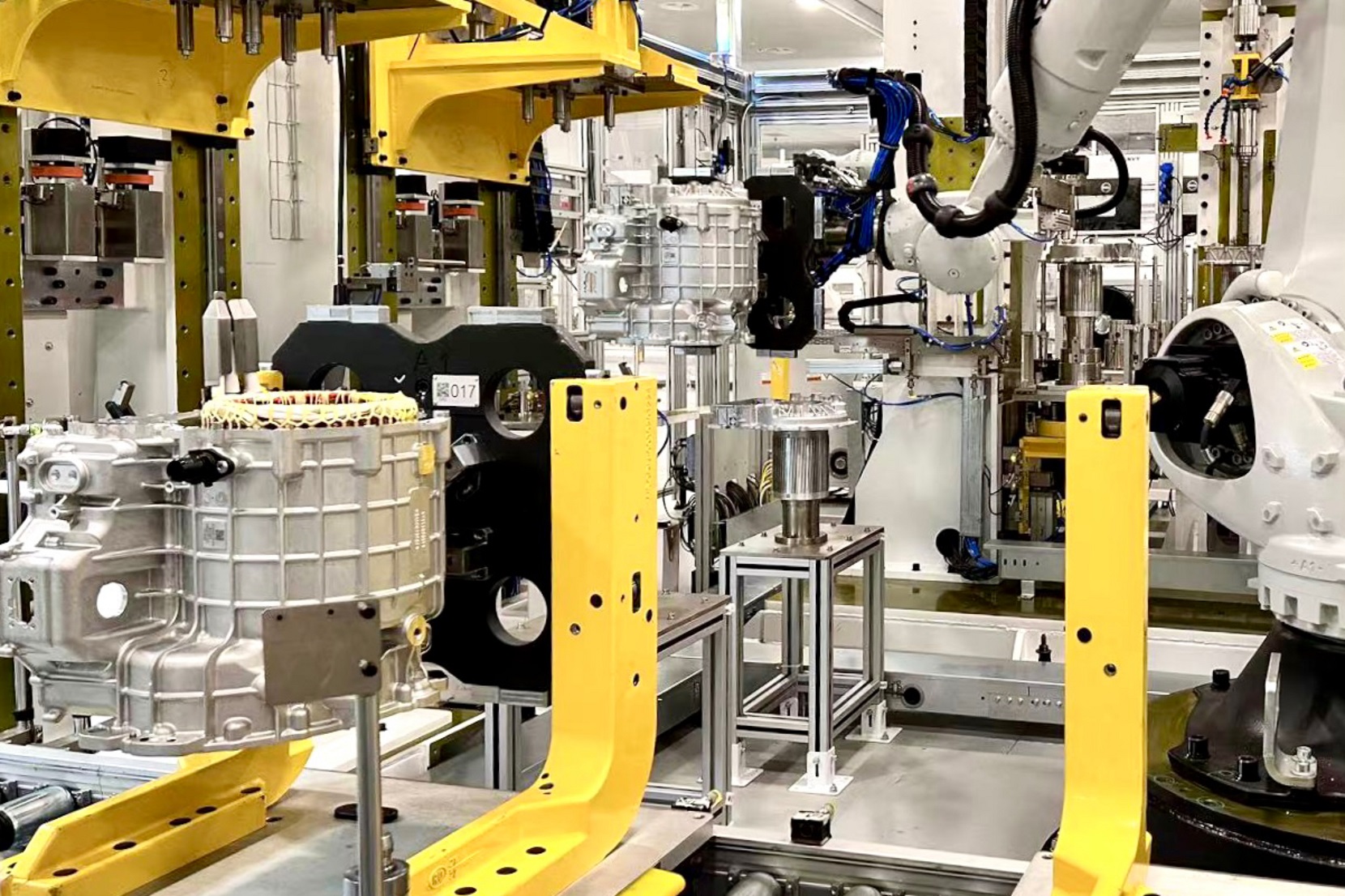
In the Northern Territory’s emerging automation sectors, drive shafts with enhanced sealing protect against dust ingress, maintaining efficiency in harsh environments. Operators appreciate the straightforward integration with existing systems, often completing installations during short maintenance windows to avoid costly downtime.
From Brisbane’s pharmaceutical packaging lines to Adelaide’s aerospace component manufacturing, these components absorb shocks from sudden starts and stops, protecting downstream equipment. Maintenance crews in Canberra’s defense-related automation facilities highlight the extended bearing life, which cuts replacement frequency in continuous operation cycles.
Essential Features Shaping Automated Line Performance
The core strength lies in materials like 42CrMo alloy steel, offering high fatigue resistance under cyclic loads typical in robotic pick-and-place systems. In Victoria’s car body welding lines, this durability means withstanding thousands of torque reversals daily without failure.
Advanced cross journal designs incorporate needle rollers for low-friction rotation, crucial in New South Wales’ high-speed conveyor setups where energy efficiency impacts bottom lines. Sealing systems with multi-lip configurations guard against coolant and debris in Queensland’s metal forming operations.
Telescopic sections allow for length adjustments up to 250mm, accommodating frame expansions in Western Australia’s large-scale assembly halls during temperature fluctuations. Dynamic balancing to ISO 1940 G2.5 standards minimizes vibrations in South Australia’s precision electronics lines.
Flange connections with 12-bolt patterns ensure secure mounting in Tasmania’s compact machinery, while optional shear pins provide overload protection in the Northern Territory’s rugged setups. Surface treatments like nitriding enhance wear resistance in Canberra’s high-precision environments.
Detailed Engineering Specifications for Demanding Applications
Built to excel in Australia’s diverse manufacturing landscape, these drive shafts feature specifications honed from real-world deployments in automated systems nationwide.
| Parameter | Value Range | Application Insight |
|---|---|---|
| Peak Torque Rating | 5,000 to 15,000 Nm | Manages surges in robotic arm movements |
| Angular Compensation | Up to 12° | Handles misalignment in conveyor transitions |
| Collapsed Length | 800 to 4,000 mm | Fits varied assembly line spans |
| Flange Size | 160 to 350 mm diameter | Robust for heavy-duty motor connections |
| Core Material | 42CrMo alloy | Superior strength in cyclic loading |
| Bearing Configuration | Sealed needle roller | Low maintenance in clean rooms |
| Seal Type | Triple-lip with dust cap | Resists contaminants in food processing |
| Balance Quality | ISO 1940 G2.5 | Reduces noise in quiet zones |
| Rotational Speed Max | 3,000 RPM | Suitable for fast packaging lines |
| Operating Temperature | -30°C to +80°C | Copes with seasonal variations |
| Surface Hardness | 58-62 HRC | Enhanced wear in abrasive settings |
| Weight Capacity | Up to 100 kg/m | Supports extended overhead systems |
| Extension Range | 150 to 300 mm | Absorbs thermal growth |
| Safety Margin | 1.8 minimum | Per AS 4024 requirements |
| Lube Schedule | Every 1,000 hours | Extended intervals for uptime |
| Journal Diameter | 40 to 100 mm | Scaled for power needs |
| Yoke Design | Block or wing | Quick assembly options |
| Overload Safeguard | Integrated pin | Prevents chain reactions |
| Damping Capability | Built-in elastomer | Quiets resonance issues |
| Corrosion Protection | Galvanized coating | For humid coastal factories |
| Bolt Pattern | 8 to 16 holes | Compatible with standard motors |
| Spline Profile | Involute 1.5 mod | Smooth sliding action |
| Heat Processing | Induction hardened | Core toughness maintained |
| Shock Load Rating | 2x nominal torque | For sudden stops |
| Access Points | Multiple zerk fittings | Ease of servicing |
| Compliance Cert | AS/NZS 4024 | Safety assured |
| Ingress Protection | IP54 equivalent | Dust and splash resistant |
| Acoustic Level | Below 75 dB | Worker-friendly |
| Load Sharing | Uniform across bearings | Even wear distribution |
A foreman in a Melbourne electronics plant shared how matching these specs to their line’s demands cut energy use by 12%, thanks to lower friction losses.

In Sydney’s automotive assembly, the high speed rating allowed for faster cycle times without compromising stability.
Real-World Insights from Australian Operations
Over decades supplying to New South Wales’ robotics integrators, we’ve seen drive shafts excel in pick-and-place systems. One technician described how the angular flexibility prevented binding during arm extensions, avoiding jams that previously cost hours weekly.
In Victoria’s pharmaceutical lines, a shift supervisor recalled upgrading to nitrided surfaces, which doubled lifespan in humid cleanrooms, reducing annual replacements from four to two per machine.
Queensland’s mining equipment builders report fewer failures in conveyor drives, with the shock load capacity absorbing impacts from ore drops. A maintenance lead noted 30% less downtime after implementation.
Western Australia’s food processors highlight seal effectiveness against washdown cycles, preserving internal components. One operator mentioned seamless integration with legacy gear, completed in under two hours.
South Australian aerospace firms value the balance quality for vibration-sensitive applications, improving part accuracy. A quality inspector shared cases where it eliminated micro-defects in machined components.
In Tasmania, electronics assemblers appreciate the low noise, creating better work environments. Feedback from a line worker emphasized easier handling during swaps.
Northern Territory’s rugged setups benefit from corrosion protection, with one site engineer reporting no rust issues after three years in salty air.
Canberra’s defense contractors praise the compliance, ensuring audit passes. A project manager detailed how it streamlined certification processes.
Vital Components and Replacement Items
Key parts include cross journals for articulation, yokes for connections, and bearings for smooth rotation. Consumables like seals and grease packs see regular renewal, while slip yokes and flanges handle wear in high-cycle lines.
- Universal joint kits for quick repairs
- Protective bellows against contaminants
- Center support bearings for long spans
- End fittings and adapters
- Lubrication fittings and caps
In Sydney automation, spare yokes stock ensures rapid fixes. Victoria plants keep bearing assemblies on hand for preventive swaps.
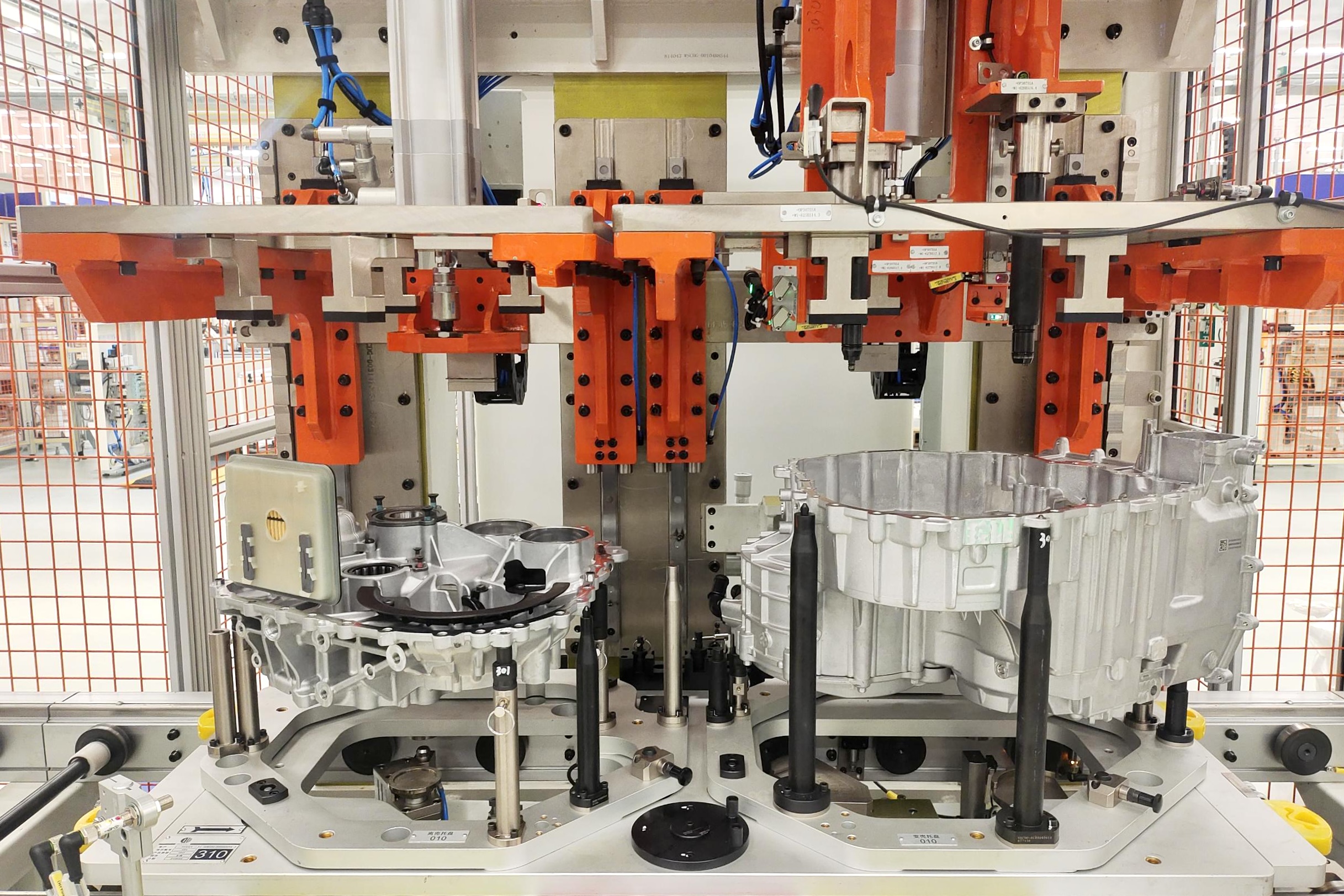
Alignment with Regional Safety Guidelines
All units meet AS/NZS 4024 series for machinery safety, including guarding provisions. In New Zealand’s neighboring automation sector, compliance with similar standards like AS/NZS 4024.3301 for robotic environments is standard.
Papua New Guinea’s mining-linked lines follow ISO 13849 for performance levels. Indonesia’s manufacturing adheres to SNI standards, emphasizing risk assessment per OHS regulations.
Top automation nations like Germany (DIN EN ISO 12100), Japan (JIS B 9700), and USA (ANSI B11.0) set benchmarks we match. China’s GB/T 5226.1 focuses on electrical safety in drives.
South Korea’s KOSHA guidelines stress vibration limits. Singapore’s SS 537 mandates emergency stops integrated with shafts.
Brazil’s NR-12 requires protective covers. India’s IS 17075 emphasizes material strength testing.
Case in NSW: A welding line upgrade passed AS 4024 audit seamlessly. Victoria example: Robotic arm drive met PL d requirements.
QLD conveyor system aligned with ISO 14120 guarding. WA facility complied with AS/NZS 4024.3610 for conveyors.
Competitive Landscape Insights
Our offerings provide reliable alternatives to established names in similar setups. For instance, torque capacities match those in GKN’s heavy-duty series, while angular flexibility rivals Comer’s industrial line. Dana’s automation components share comparable sealing tech. (Note: All manufacturer names are for technical reference only; Australian Driveshaft Pty Ltd is an independent producer.)

Hands-On Installation Guidance Video
<video controls> <source src=”https://www.youtube.com/watch?v=46gxlnRRVs4″ type=”video/mp4″> View practical drive shaft alignment in an automated setup. </video>
This demonstration covers secure mounting techniques used in Australian facilities.
Reach out via our contact page for tailored solutions in your automated operations.
Integrated Gearbox Solutions Enhancing Drive Systems
We also craft a full suite of gearboxes that pair perfectly with drive shafts in automation. Our helical models deliver precise reduction for conveyor drives, with ratios from 3:1 to 200:1 and torques up to 50,000 Nm. In NSW’s robotic lines, these units feature case-hardened gears for enduring high cycles.
Planetary gearboxes shine in compact spaces, offering high density with efficiencies over 95%. Victoria’s assembly plants use them for arm positioning, with backlash under 3 arcmin.
Bevel types redirect power in L-shaped configurations, common in QLD’s packaging systems. Fabricated housings withstand impacts, with oil bath lubrication for reliability.
WA’s heavy automation benefits from worm gearboxes’ self-locking in vertical lifts. Cycloidal variants handle shocks in material handling.
All comply with AGMA, with monitoring ports for predictive maintenance. Custom ratios fit legacy upgrades.
Studies show 18% efficiency gains when matched. Materials like 20CrMnTi ensure longevity.
Noise below 70dB suits operator areas. Thermal designs manage Australian heats.
Documentation aids integration. Training supports teams.
Complete packages optimize torque flow. Discover enhancements for your lines.
Current Developments in Australian Drive Shaft Sector
Iron ore processing upgrades incorporate advanced shafts for automated crushers. New green manufacturing initiatives in WA push for lightweight composites.
Consolidation among suppliers reshapes market, with focus on hybrid tech integration by 2026.