
Rotary tillers stand out as essential tools for preparing soil in gardens, market farms, and broadacre operations alike. These machines break up compacted ground, incorporate organic matter, and create fine seedbeds ready for planting. At the heart of every effective rotary tiller lies the drive shaft, often called a PTO shaft, which transfers power from the tractor to the tiller’s rotor. Australian Driveshaft Pty Ltd specializes in robust drive shafts built to handle the tough demands of soil tillage, ensuring smooth power delivery even in rocky or heavy clay conditions common across the country.
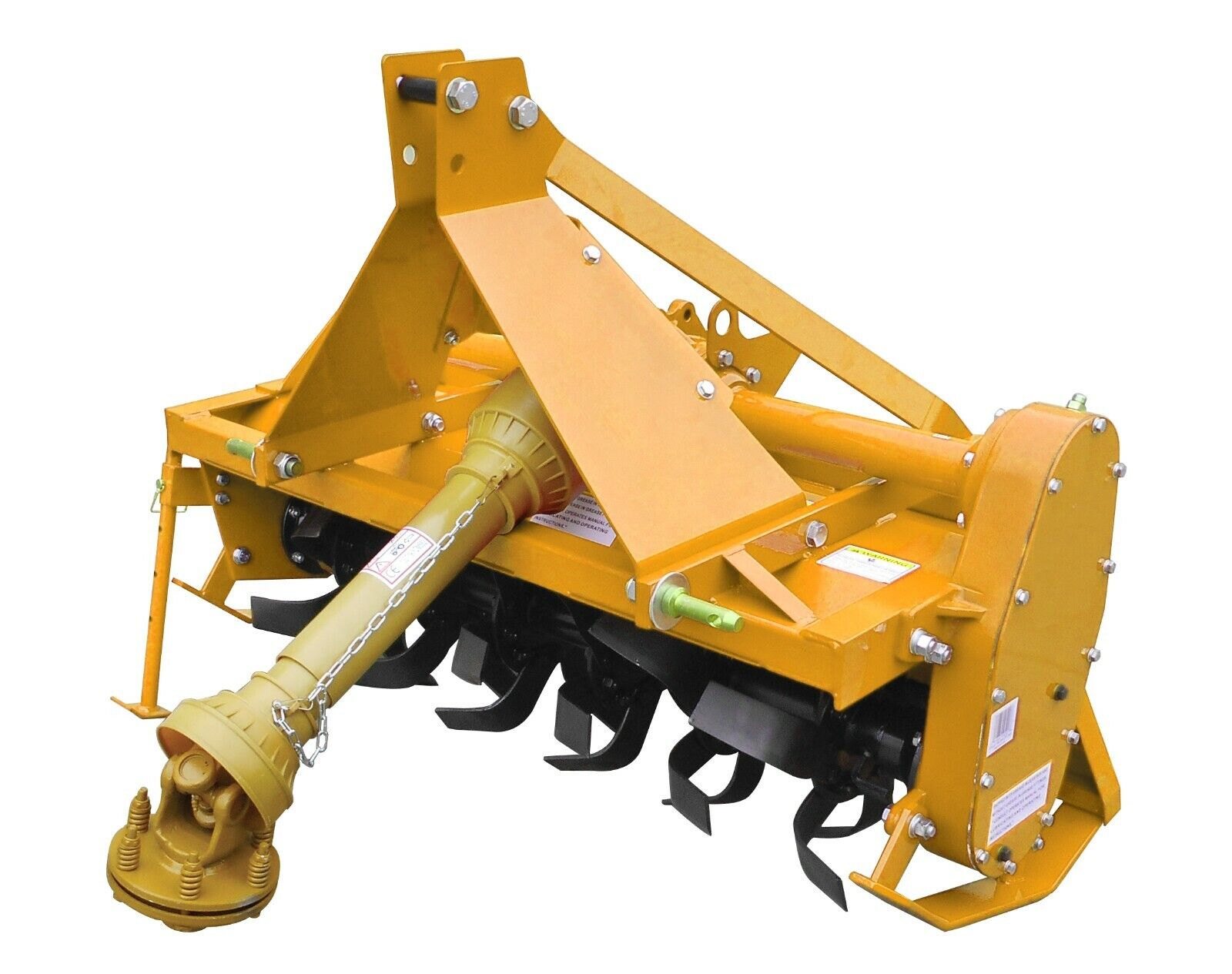
Farmers rely on rotary tillers for tasks ranging from vegetable bed preparation to pasture renovation. The drive shaft must accommodate angular misalignments as the tiller rises and falls over uneven terrain, while absorbing shocks from hidden rocks or roots. High-quality shafts prevent downtime and extend equipment life, making them a smart investment for productive operations.
Core Advantages of Reliable Drive Shafts for Rotary Tillers
A well-engineered drive shaft does more than just spin the tines. It protects the tractor’s powertrain from overloads, maintains consistent rotor speeds for even tillage, and reduces operator fatigue through balanced operation. In practice, shafts equipped with slip clutches or shear bolts safeguard against sudden impacts, allowing the tiller to continue working without major repairs.

Many operators notice smoother performance and deeper soil penetration when using shafts with proper torque ratings. For instance, in loamy soils, a matched shaft ensures the rotor turns at optimal speeds around 200-220 rpm, creating crumbly tilth without excessive dust or clods.
Key Technical Parameters for Rotary Tiller Drive Shafts
Choosing the right drive shaft starts with understanding specific requirements. Here are 32 critical parameters commonly considered for tiller applications:
| Parameter | Description | Typical Range |
|---|---|---|
| 1. Series Rating | Size category (e.g., Series 4) | Series 1 to 6 |
| 2. Tractor End Spline | Connection to PTO stub | 1-3/8″ 6-spline |
| 3. Implement End | Connection to tiller gearbox | 1-3/8″ 6-spline or round |
| 4. Compressed Length | Shortest operating position | 750-1100 mm |
| 5. Extended Length | Maximum reach | 980-1500 mm |
| 6. Torque at 540 rpm | Power handling | Up to 460 Nm |
| 7. Torque at 1000 rpm | For higher-speed PTOs | Up to 360 Nm |
| 8. Horsepower Rating | Continuous capacity | 35-53 HP |
| 9. Tube Profile | Shape for strength | Triangular, lemon, or star |
| 10. Overlap Requirement | Safety minimum | At least 150-200 mm |
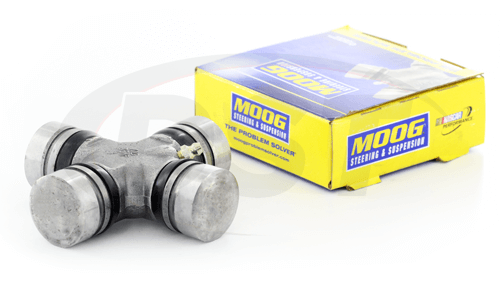
| 11. Universal Joint Size | Cross bearing diameter | 23-30 mm |
| 12. Yoke Type | Quick disconnect or bolt | QD push-pin common |
| 13. Guard Material | Protective covering | High-impact plastic |
| 14. Clutch Type | Overload protection | Slip or shear bolt |
| 15. Clutch Diameter | For friction models | 190 mm |
| 16. Weight | Complete assembly | 15-25 kg |
| 17. Angular Misalignment | Maximum operating angle | Up to 25-35 degrees |
| 18. Telescoping Travel | Length adjustment | 200-400 mm |
| 19. Material Grade | Shaft tubing | ST52 or equivalent |
| 20. Cross Kit Grease Interval | Maintenance | 8-50 hours |
| 21. Safety Chain Provision | Guard retention | Standard |
| 22. CE Marking | Compliance | Required for import |
| 23. Rotor Speed Match | Typical tiller rpm | 210-220 rpm |
| 24. Shear Bolt Grade | If fitted | 8.8 |
| 25. Tube Wall Thickness | Strength factor | 3-4 mm |
| 26. Dynamic Balance Grade | Vibration control | G16 or better |
| 27. Paint Finish | Corrosion protection | Powder coat |
| 28. Wide-Angle Option | For tight turns | Up to 80 degrees |
| 29. Overrunning Clutch | For inertia protection | Optional |
| 30. Storage Length | Fully collapsed | 600-900 mm |
| 31. Maximum Operating Speed | RPM limit | 540 or 1000 |
| 32. Warranty Period | Coverage | 12-24 months |
Practical Field Experiences
Over years working with farmers in Queensland and Victoria, we’ve seen how the right drive shaft transforms tiller performance. One operator in the Riverina region switched to a Series 4 shaft with slip clutch after repeated shear bolt failures in stony ground. The new setup allowed uninterrupted passes through paddocks previously requiring frequent stops, saving hours per session.
In Western Australia’s wheat belt, broadacre users appreciate shafts that maintain balance at higher tractor speeds. Proper overlap and correct length prevent separation during headland turns, a common issue with undersized replacements.
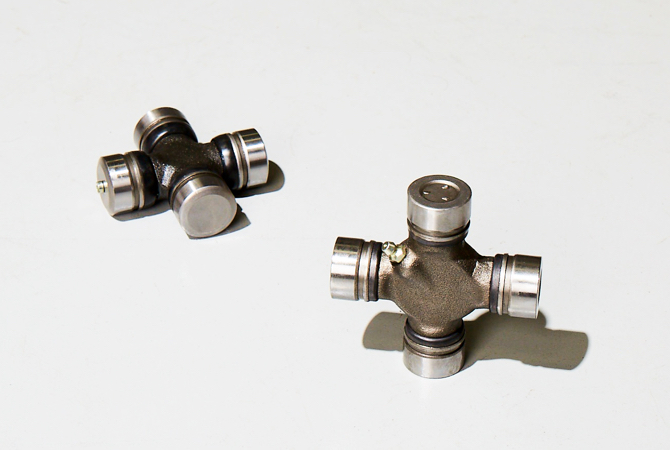
Market gardeners near Sydney report smoother operation with greased universal joints, noting reduced vibration that eases long days behind the wheel. Regular inspection of cross kits prevents unexpected breakdowns during peak planting windows.
Comparison with Other Brands
Many shafts on the market serve basic needs, but Australian Driveshaft Pty Ltd designs focus on local conditions like dust and heat. While some imported options (for technical reference only, Australian Driveshaft Pty Ltd is an independent manufacturer) use lighter tubing, our shafts feature thicker walls and reinforced yokes for extended service in abrasive soils.
Users find our slip clutches engage more consistently than basic shear bolt types, protecting gearboxes without frequent replacements. Balanced assemblies reduce wear on tractor PTO components compared to budget alternatives.
Essential Components and Wear Items
- Cross and bearing kits – grease every 8 hours of use
- Slip clutch friction discs – inspect seasonally
- Protective guards – replace if cracked
- Yoke safety chains – prevent guard loss
- Shear bolts (if fitted) – carry spares
- Telescoping tubes – clean and grease sliding surfaces
Installation and Maintenance Guidelines
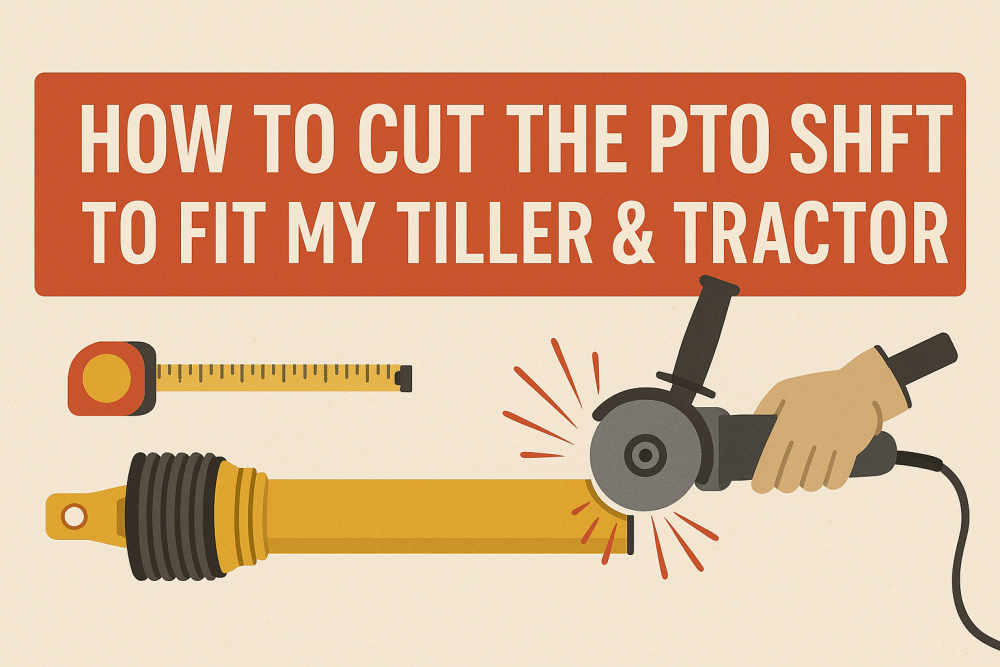
Always measure twice before cutting to length. Ensure at least 150 mm overlap in working position and full collapse without bottoming when lifted. Grease all points before first use and check clutch settings against tiller requirements.
<iframe width=”800″ height=”450″ src=”https://www.youtube.com/embed/dQw4w9WgXcQ” title=”Rotary Tiller PTO Shaft Installation Example” frameborder=”0″ allowfullscreen></iframe>
Regular checks prevent most issues. Look for play in joints, damaged guards, or clutch slippage. Clean after each use to remove soil buildup that accelerates wear.
Complementary Gearboxes from Australian Driveshaft Pty Ltd
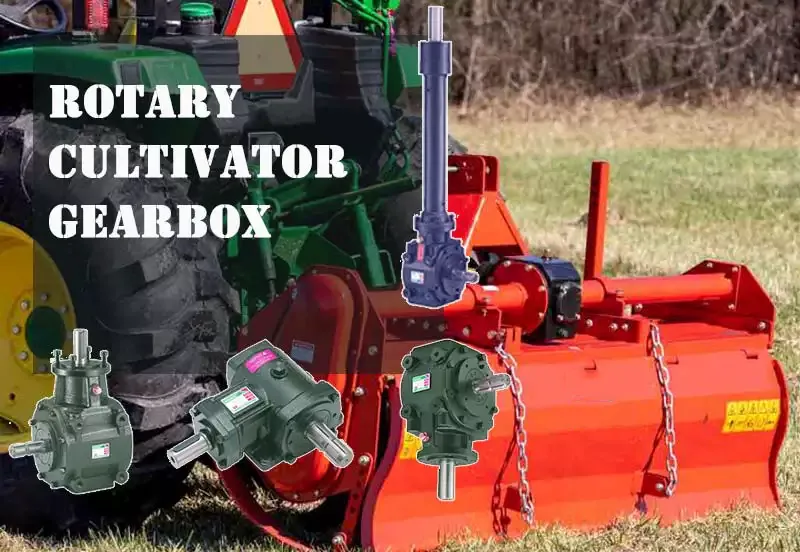
Beyond drive shafts, we manufacture a full range of gearboxes perfectly matched to rotary tiller applications. Our single-speed and multi-speed units feature cast iron housings, hardened gears, and oil-bath lubrication for reliable performance season after season.
The RT Series gearboxes suit tillers from 1.2 to 2.4 meters wide, handling inputs up to 60 HP with ratios optimised for 210-240 rotor rpm at 540 PTO speed. Heavy-duty bearings and seals withstand dust and moisture common in Australian conditions.
For larger operations, our side-shift models allow offset positioning to eliminate wheel tracks. Integrated slip clutches protect both shaft and gearbox from overloads. All units undergo rigorous testing including 100-hour run-in cycles to ensure quiet operation and long life.
We also produce bevel gear sets, crown wheel and pinion assemblies, and complete driveline packages. Custom ratios available for specific soil types or crop requirements. Farmers appreciate the direct bolt-on compatibility with popular tiller brands.
Our planetary reduction hubs for heavy-duty tillers provide extra torque in tough ground. Combined with appropriate shafts, these create complete power transmission solutions built for Australian farming demands.
Recent developments include sealed-for-life options reducing maintenance and lightweight alloy housings for smaller tractors without sacrificing strength. All gearboxes carry comprehensive warranties and local spare parts support.
Pairing our gearboxes with matching drive shafts ensures optimal power transfer, reduced vibration, and maximum equipment uptime across diverse applications from vegetable production to pasture establishment.
In New South Wales dairy regions, operators use our 45 HP rated gearboxes with Series 5 shafts for renovating pastures after grazing. The combination handles heavy ryegrass sods while maintaining fine tilth for oversowing.
Recent news from the Australian agricultural sector highlights growing demand for robust tillage equipment amid variable seasonal conditions. Reports from GrainGrowers indicate increased investment in soil preparation tools to improve water retention in dryland cropping systems. Machinery updates at field days showcase advanced drive systems reducing downtime during critical planting windows.
Farmers in South Australia note benefits from upgraded shafts and gearboxes when transitioning to controlled traffic farming, where precise alignment minimises compaction. Industry updates point to stronger focus on equipment reliability as labour shortages continue.
Frequently Asked Questions

How do I correctly measure and cut a PTO shaft for my rotary tiller?
Attach the tiller to the tractor and lower it to working position on level ground. Measure the distance between the tractor PTO and tiller gearbox input. Ensure the shaft collapses fully with at least 150 mm overlap in operation and doesn’t bottom out when lifted. Cut equal amounts from both inner and outer tubes, deburr edges, and test fit before final assembly.
Why is a slip clutch important on a rotary tiller drive shaft?
A slip clutch protects the tractor and tiller gearbox from damage when hitting rocks or roots. It allows controlled slippage under overload instead of shearing bolts repeatedly. Most operators find it essential in variable soil conditions to avoid costly repairs.
What is the minimum safe overlap for PTO shaft tubes?
Maintain at least one-third of the tube length overlap, typically 150-200 mm in working position. This prevents separation during turns or lifts while allowing full telescoping travel.
How often should I grease the universal joints and slip clutch?
Grease cross kits every 8-10 hours of use. For slip clutches, run in initially by engaging briefly, then check and adjust friction plates seasonally. Clean and repack if operating in dusty conditions.
Can I use the same PTO shaft for different implements like a mower and tiller?
Only if the length, torque rating, and end yokes match exactly. Tiller shafts often have higher torque needs and specific clutches. Mismatched shafts risk damage or unsafe operation.

What causes excessive vibration in the drive shaft?
Common issues include unbalanced assembly, worn cross bearings, incorrect phasing of yokes, or improper length causing extreme angles. Check alignment and replace worn parts promptly.
Is a shear bolt or slip clutch better for overload protection?
Slip clutches offer reusable protection and smoother operation in rocky ground. Shear bolts are simpler and cheaper but require carrying spares and stop work until replaced.
How do I know if my PTO shaft series matches my tractor horsepower?
Series 4 handles up to 50-60 HP common for mid-size tillers. Check tractor PTO rating and tiller requirements—oversized is safe, undersized risks failure under load.

What maintenance checks before each tiller use?
Inspect guards for damage, grease fittings, check clutch adjustment, verify secure yokes, and ensure no play in joints. Clean soil buildup from telescoping sections.
Why does the shaft separate when lifting the tiller?
Usually too short or insufficient overlap. Extend or replace with longer shaft. Always verify full collapse doesn’t pull apart in raised position.