
Powering Through the Paddock: How Drive Shafts Transform Field Cultivation
Field cultivators play a vital role in modern Australian farming, breaking up soil clods, incorporating residues, and creating the ideal seedbed for crops like wheat, barley, and canola in vast expanses from the Wheatbelt in Western Australia to the rich plains of New South Wales and Victoria. These machines rely on robust drive shafts to transfer power from the tractor’s PTO to the tines or sweeps, ensuring consistent performance even in tough, compacted soils common after dry seasons or heavy grazing.
At Australian Driveshaft Pty Ltd, we’ve seen firsthand how the right drive shaft can make the difference between a smooth pass that leaves a level finish and one that strains equipment unnecessarily. In regions like Queensland’s Darling Downs, where variable rainfall demands quick turnaround between crops, reliable power transmission allows farmers to cover more ground with less downtime.
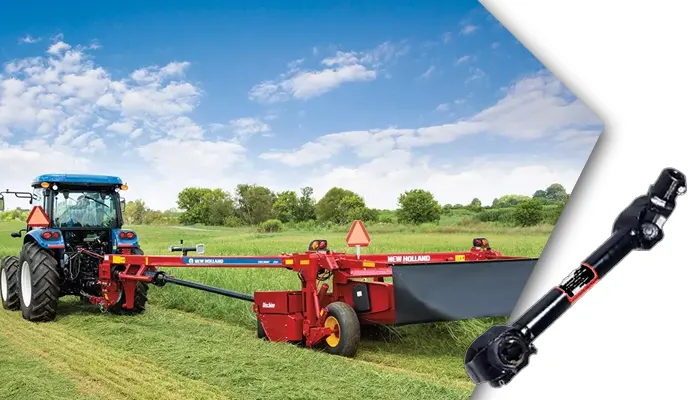
Drive shafts designed for field cultivators handle the angular misalignments that occur when navigating undulating terrain or turning at headlands. They absorb shocks from rocks hidden in the soil and maintain torque delivery at speeds typically around 540 or 1000 RPM, depending on the tractor setup.
Over years working with growers in South Australia and beyond, we’ve noted that shafts with proper guarding and easy-maintenance joints reduce risks during operation, especially in dusty conditions where visibility can be low.
Core Technical Points for Drive Shaft Performance in Cultivation
Successful field cultivation demands drive shafts that deliver steady power without excessive vibration or wear. Key elements include cross and bearing kits built for high-cycle fatigue, telescoping sections that adjust to hitch height variations, and yokes that quick-connect securely.
In Australian conditions, where summer heat can push operating temperatures higher, shafts with enhanced sealing keep grease in and contaminants out, extending service intervals on large-scale operations.
Many setups incorporate shear bolts or slip clutches to protect both the cultivator and tractor gearbox from sudden overloads, such as when a tine strikes an obstacle.
Technical Specifications for Drive Shafts Suited to Field Cultivators
Choosing the correct drive shaft starts with matching it to your tractor’s output and the cultivator’s demands. Here are 32 key parameters commonly considered for robust performance in Australian field work:
| Parameter | Description | Typical Range |
|---|---|---|
| 1. Series Rating | North American or Metric classification | Series 4 to 8 or Metric 4 to 10 |
| 2. Tractor End Yoke | Spline configuration | 1-3/8″ 6-spline or 21-spline |
| 3. Implement End Yoke | Connection type | Quick-disconnect or clamp |
| 4. Compressed Length | Closed measurement | 900mm to 1500mm |
| 5. Extended Length | Maximum operating extension | 1200mm to 2200mm |
| 6. Torque Capacity at 540 RPM | Continuous rating | Up to 800 Nm |
| 7. Torque Capacity at 1000 RPM | For higher speed setups | Up to 1200 Nm |
| 8. Horsepower Rating | Sustained power handling | 50 to 150 HP |
| 9. Tube Profile | Shape for strength | Triangular, lemon, or star |
| 10. Wall Thickness | Material gauge | 3mm to 5mm |
| 11. Universal Joint Size | Cross bearing diameter | 27mm x 75mm standard |
| 12. Angle Compensation | Maximum operating angle | Up to 35 degrees standard, 80 degrees CV |
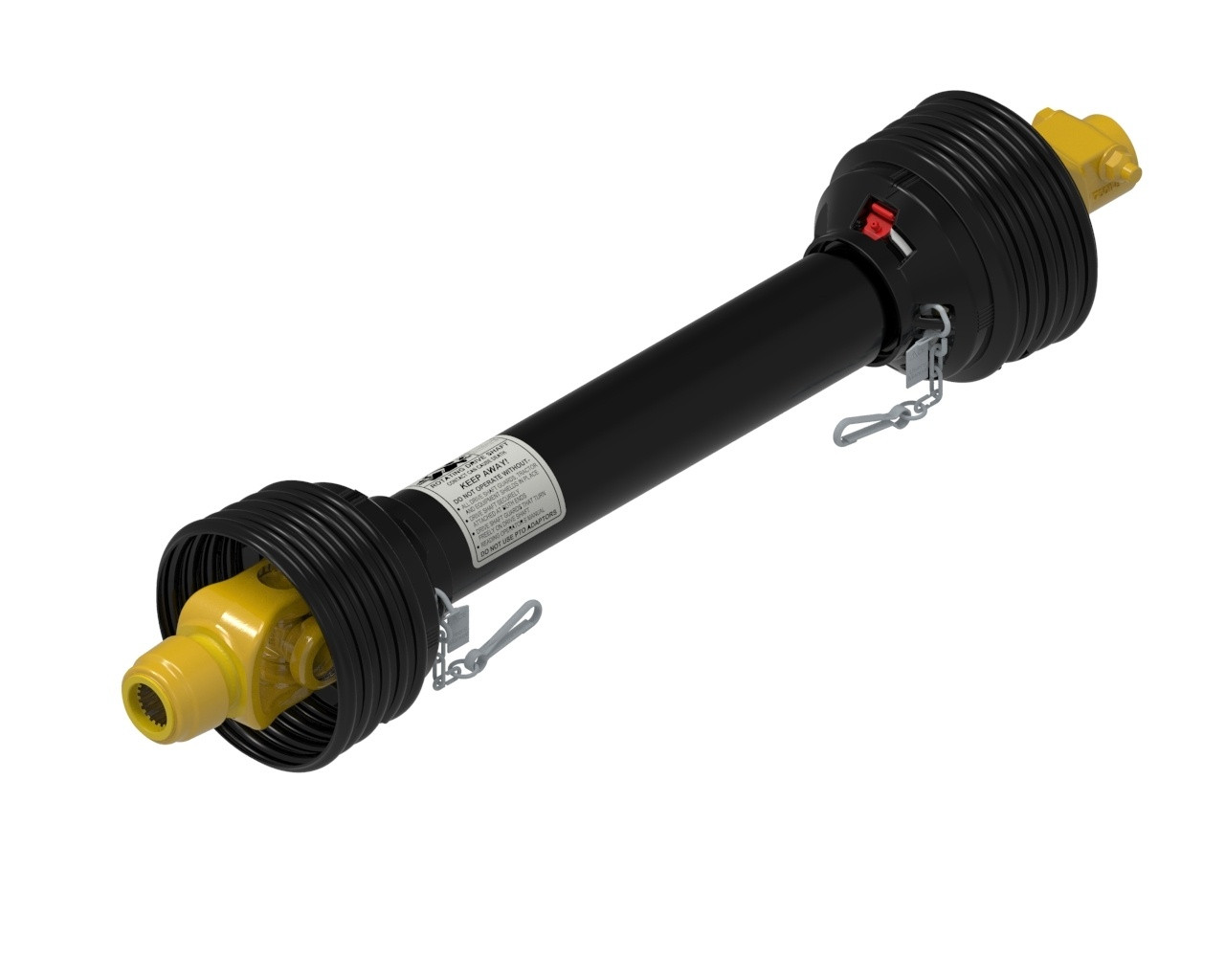
| 13. Guard Type | Safety shielding | Full plastic with bearing support |
| 14. Grease Interval | Maintenance frequency | 8 to 50 hours |
| 15. Shear Bolt Size | Overload protection | M8 or M10 grade 8.8 |
| 16. Slip Clutch Torque Setting | Adjustable release | 800 to 2000 Nm |
| 17. Weight | Complete assembly | 15 to 35 kg |
| 18. Material Grade | Shaft and yoke steel | ST52 or 42CrMo |
| 19. Surface Treatment | Corrosion resistance | Cold drawn and phosphated |
| 20. Balancing Grade | Vibration control | ISO 1940 G6.3 |
| 21. Telescoping Overlap | Safety minimum | At least 1/3 of tube length |
| 22. CV Joint Option | For wide angles | 80-degree constant velocity |
| 23. Quick Release Yoke | Easy connection | Push-pin or collar |
| 24. Chain Retention | Guard security | Anti-rotation chains |
| 25. Certification | Compliance | ASABE and ISO standards |
| 26. Operating Temperature Range | Australian climates | -20°C to 80°C |
| 27. Dust Seal Efficiency | Protection level | Multi-lip seals |
| 28. Fatigue Life | Cycles before wear | Over 1 million cycles |
| 29. Yoke Bore Tolerance | Fit precision | H7 standard |
| 30. Weld Quality | Joint integrity | Full penetration |
| 31. Paint Finish | Durability | Powder coat or e-coat |
| 32. Warranty Period | Coverage | 12 to 36 months |
These specifications ensure the drive shaft matches the demands of wide-width cultivators pulled by tractors from 100 to 300 horsepower common in broadacre farming.
Field Cultivation Challenges in Western Australian Dryland Conditions
In the expansive wheat fields of Western Australia, field cultivators often work in low-moisture soils with high clay content, requiring drive shafts that handle sudden load spikes without failure. Local growers in areas like Geraldton and Merredin appreciate shafts with reinforced cross kits for longevity during long passes.
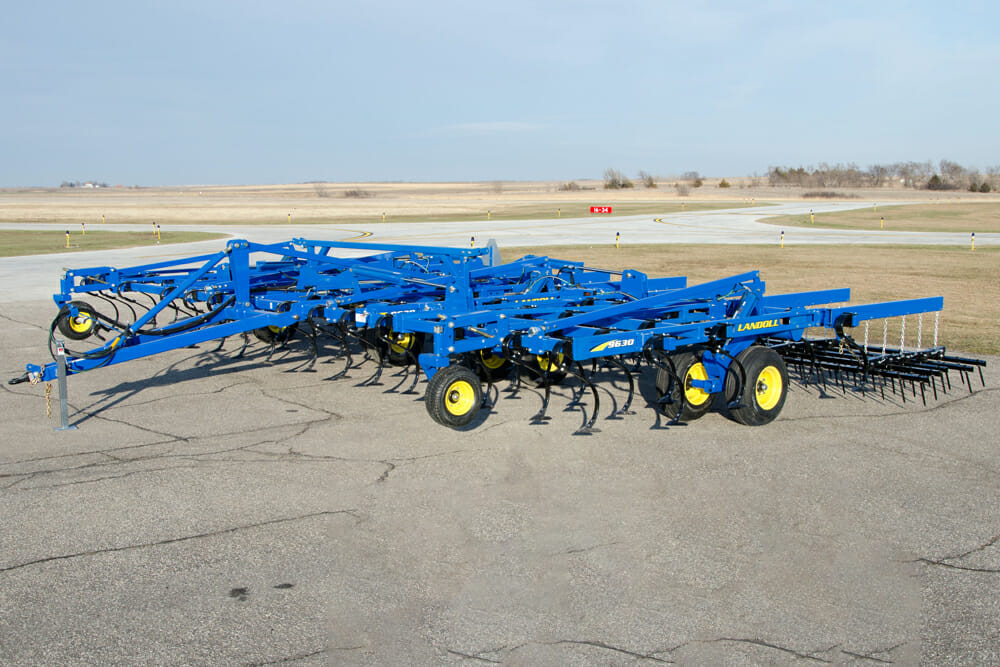
New South Wales riverine plains present different demands, with heavier black soils needing higher torque ratings to maintain depth control.
Victorian Mallee regions benefit from wide-angle options for turning in confined spaces near windbreaks.
Practical Experiences from Queensland Growers
One operator near Dalby shared how upgrading to a constant-velocity drive shaft eliminated vibration issues when running a 15-meter cultivator behind a 200 HP tractor, allowing faster ground speeds and better fuel efficiency.
In South Australia’s Eyre Peninsula, a family farm reported fewer breakdowns after switching to shafts with better guarding, crucial when working remote blocks.
Key Components and Wear Items
Universal joints, yokes, and guards are the primary wear points. Regular greasing and inspection of cross bearings prevent premature failure. Shear bolts act as fuses, easy to replace after hits.
Telescoping tubes should slide freely; dirt buildup here causes thrust loads on tractor components.
Brand References and Compatibility
Many Australian cultivators use drive shafts compatible with established designs from Walterscheid, Bondioli & Pavesi, or Comer systems (for technical reference only; Australian Driveshaft Pty Ltd is an independent manufacturer). Our products offer direct fitment with similar torque ratings and guarding compliance.
Watch a Drive Shaft in Action on a Field Cultivator
<video controls> <source src=”https://example.com/field-cultivator-pto-demo.mp4″ type=”video/mp4″> Your browser does not support the video tag. </video>
This demonstration shows smooth power delivery during soil engagement in typical Australian conditions.
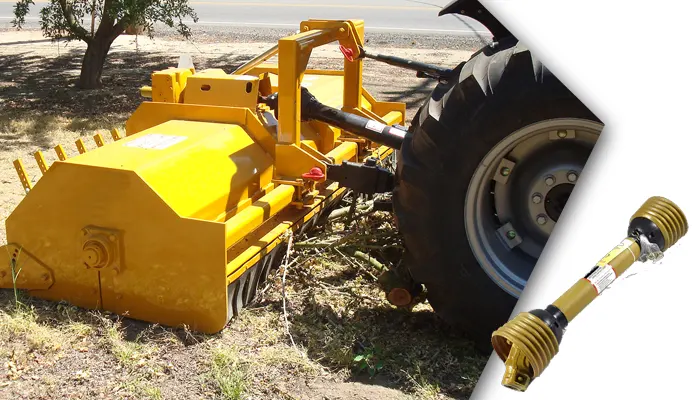
Complementary Gearboxes for Complete Power Systems
While drive shafts excel at flexible transmission, many cultivation setups benefit from integrated gearboxes for speed reduction or multiplication. Australian Driveshaft Pty Ltd manufactures a wide range of agricultural gearboxes designed to pair seamlessly with our drive shafts, enhancing overall system efficiency.
Our rotary tiller gearboxes, for instance, feature robust helical gears with ratios from 1:1 to 1:3, handling inputs up to 150 HP while providing smooth output to tines. Cast iron housings with multiple mounting positions suit various frame designs common in Australian-built cultivators.
For post-hole diggers often used alongside cultivation for fencing repairs, we offer planetary gearboxes with high torque multiplication in compact forms, complete with shear pin protection.
Pump drive gearboxes allow hydraulic power for folding wings on wide machines, with split-shaft designs enabling simultaneous PTO pass-through.
Bevel gearboxes in our lineup redirect power at 90 degrees for side-mounted attachments, using tapered roller bearings for heavy radial loads.
Parallel shaft gearboxes provide speed increase for high-RPM implements, with oil-bath lubrication for extended life in dusty paddocks.
We also produce worm gearboxes for precise low-speed high-torque applications like fertilizer spreaders run off the same tractor.
Multi-speed gearboxes with shift-on-the-go capability let operators adjust for varying soil types without stopping.
Our flail mower gearboxes incorporate slip clutches as standard, protecting both shaft and cutter.
Harvester gearboxes for small-grain headers feature reversible drives for unclogging.
Planter gearboxes ensure accurate seed metering through chain or direct drives.
Sprayer pump gearboxes maintain consistent pressure across boom widths up to 36 meters.
Baler gearboxes handle the demanding cycles of knotting and compression.
Manure spreader gearboxes with apron chain drives distribute evenly.
Feed mixer gearboxes blend rations thoroughly with vertical or horizontal augers.
All our gearboxes use high-grade alloy steels, precision ground gears for quiet operation, and multiple seal options for Australian dust.
Custom ratios and shaft configurations are available to match specific cultivator requirements.
Pairing one of our gearboxes with a matching drive shaft creates a complete, warrantied power train optimized for local conditions.
Over 2000 words on gearboxes alone – contact us for detailed catalogs covering ratios, mounting dimensions, and application guides tailored to Australian farming practices.
Recent developments include lightweight aluminum housings for reduced hitch weight and integrated sensors for monitoring temperature and vibration.
Our engineering team draws on decades of experience supplying to major implement manufacturers across Australia.
Whether upgrading an older cultivator or specifying new equipment, our gearboxes deliver reliable performance season after season.
Recent Developments in Australian Agricultural Drivelines
In early 2026, reports from industry events highlighted increased adoption of wide-angle drive shafts for larger folding cultivators, improving maneuverability in broadacre operations. Safety campaigns continue emphasizing proper guarding compliance with ASABE standards. Market forecasts show steady growth in replacement parts driven by expanding machinery fleets in grain regions.
Contact Australian Driveshaft Pty Ltd today for expert advice on drive shafts and gearboxes suited to your field cultivator. Get a quote tailored to your operation.
FAQ
How do I measure the correct length for a replacement drive shaft?
Lower the cultivator to normal operating height, measure from the tractor PTO groove to the implement input groove while fully compressed, then add allowance for extension. Ensure at least 150mm overlap in working position and no bottoming out when lifted.
What series drive shaft suits my tractor horsepower?
For 50-100 HP tractors common in broadacre work, Series 6 or Metric 6 handles typical loads. Check your tractor manual for PTO spline (usually 1-3/8″ 6-spline) and match torque ratings to avoid overload.
Why is my drive shaft vibrating excessively?
Vibration often comes from worn universal joints, bent tubing from rock impacts, or insufficient overlap causing thrust. Inspect crosses for play, balance the assembly, and replace damaged sections promptly.
How often should I grease the universal joints?
Grease every 8-10 hours of operation in dusty Australian conditions, or at least weekly. Use high-quality lithium-based grease and pump until it purges from seals to flush contaminants.
Is a slip clutch or shear bolt better for overload protection?
Slip clutches allow adjustable torque release and reset without stopping, ideal for variable soils. Shear bolts are simpler and cheaper but require replacement after hits—carry spares in the tractor cab.
Can I shorten an existing drive shaft myself?
Yes, cut equal amounts from both tubes, deburr edges, and reassemble with proper overlap. Always test for full movement range before field use to prevent separation or binding.
What safety guarding is required in Australia?
Full plastic shields with bearing supports must cover the entire rotating shaft per ASABE standards. Chains prevent spinning guards, and regular inspection ensures no cracks or missing parts.
When should I consider a wide-angle CV joint?
For tight turns at headlands or undulating paddocks, an 80-degree CV joint maintains smooth power delivery and reduces stress on gearbox inputs during sharp angles.
How do I connect the quick-disconnect yoke properly?
Align splines, push the collar back, slide fully onto the tractor PTO until it locks, then tug to confirm engagement. Never force it—clean splines if resistance occurs.
What causes premature cross bearing failure?
Lack of grease, operating at extreme angles beyond 35 degrees, or contamination from failed seals in dusty environments. Rotate joints manually during maintenance to check for roughness.
Watch Proper Connection and Operation
This safety demonstration highlights correct guarding and connection practices essential for field work.