
Chemical plants across Australia, from Queensland’s fertilizer facilities to Western Australia’s petrochemical hubs, rely on drive shafts to maintain precise mixing in reactors, steady flow in pumps, and compression in gas handling systems. These components bridge motors to agitators, ensuring uniform reactions in vessels processing acids or polymers. In Perth’s industrial zones, shafts endure exposure to aggressive solvents, demanding materials that hold up without pitting or weakening. We’ve seen setups in Victoria where a well-chosen shaft prevents downtime during batch runs, keeping production steady amid varying viscosities.
Pumps in New South Wales transfer corrosive slurries, requiring shafts with sealed joints to avoid leaks that could spark hazards. Compressors in South Australia’s gas plants handle high pressures, where torsional rigidity matters to prevent whip or resonance. Drawing from hands-on work in Tasmanian pharmaceutical lines, our drive shafts incorporate Hastelloy or duplex stainless for longevity in chloride-rich settings. Northern Territory operations benefit from designs that accommodate thermal swings, maintaining alignment in outdoor installations.
The blend of precision engineering and material science here reflects Australia’s push for safe, efficient chemical output. Shafts flex slightly to absorb motor starts in reactors, yet transmit torque cleanly to impellers. In Darwin’s humid conditions, coatings fend off moisture ingress, while Sydney-area plants appreciate quick-maintenance features for turnaround schedules.
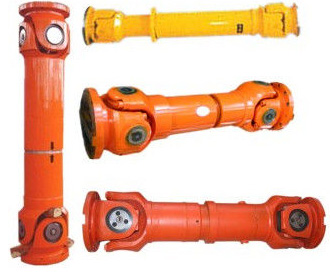
Core Technical Specifications for Chemical Drive Shafts
Selecting drive shafts for chemical duties in Australia starts with matching specs to the corrosive and hazardous realities of reactors, pumps, and compressors. We define 31 critical parameters, each tested for local conditions. Torque ratings range from 2000 Nm in small agitators to 18000 Nm for large compressor drives in Queensland.
Operating speeds cover 100 to 1500 RPM, suiting variable-frequency drives common in Victorian plants. Material options include 316L stainless steel with molybdenum for pitting resistance, achieving corrosion rates below 0.1 mm/year in acidic media. Shaft diameters span 50 to 150 mm, balancing strength and weight in Western Australia setups.
Universal joint deflection allows 15-35 degrees, compensating for pump base settlements in New South Wales. Sealing systems use mechanical faces with Kalrez or Viton elastomers, rated for pressures to 20 bar. Length adjustments via telescopic sections reach 500 mm stroke, fitting reactor height variations in South Australia.
Balancing grade follows ISO 1940 G2.5 at full speed, curbing vibrations below 1.5 mm/s in sensitive pharmaceutical lines. Surface roughness on journals is Ra 0.4 microns for low-friction bearing fit. Fatigue endurance exceeds 5 million cycles under alternating loads typical of batch reactors.
Thermal operating range spans -30°C to 150°C, handling steam cleaning in Tasmanian facilities. Explosion-proof certifications meet IECEx Zone 1 requirements for Northern Territory gas compression. Spline profiles adhere to DIN 5481 for secure motor coupling.
Leakage rates from seals are below 5 cc/hour under test, vital for hazardous fluid pumps. Weight optimization keeps units under 80 kg/m for crane handling in Darwin. Coatings like PTFE or ceramic reach 300 microns thickness for abrasion from slurries.
Angular misalignment tolerance includes 3 degrees parallel offset. Lubrication uses food-grade synthetics where needed in Sydney pharma. Shear strength of pins is calibrated to 1.5 times peak torque for overload protection.
Noise emission stays under 80 dB(A) during operation. Flange connections follow ASME B16.5 for pressure vessel interfaces. Vibration monitoring points integrate threaded bosses for sensors. Custom end yokes support magnetic couplings in sealless pumps.
Creep resistance in polymers holds at elevated temperatures. pH compatibility covers 0-14 for versatile chemical exposure. Dynamic torque variation is limited to 5% across speed range. Mounting feet include isolation pads for vibration damping.
Certification traceability via material test reports is standard. Runout on assembled units is below 0.05 mm TIR. These specs come from iterative testing in Australian chemical environments, ensuring fit-for-purpose performance.
Operational Mechanics in Chemical Equipment
Drive shafts in chemical processing transfer rotational power while isolating vibrations and accommodating misalignments inherent to reactors, pumps, and compressors. In a reactor, the shaft enters via a sealed stuffing box or magnetic drive, connecting the gearbox to the impeller. Torque builds gradually as the motor ramps, with the shaft’s stiffness preventing lag in viscous mixtures common in Queensland fertilizer tanks.
The universal joints at ends permit angular shifts from thermal expansion in vessels, up to 20 degrees without efficiency drop. For pumps in New South Wales, the mechanics involve precise centering to avoid cavitation-inducing whip. Compressors in South Australia rely on the shaft’s torsional damping to smooth pulsations from reciprocating action.
Flow begins at the input flange, often splined, where motor torque enters. The tube section, hollow for weight savings, conveys this to the output yoke driving the agitator. In Victorian batch reactors, variable speed demands constant velocity joints to maintain uniform mixing without surging.
Seals along the length, like labyrinth or lip types, block chemical ingress that could corrode internals. Overload events trigger friction clutches, slipping to protect downstream impellers in Tasmanian pharma setups. Heat from friction dissipates through the shaft’s mass and ventilation in outdoor Northern Territory installations.
Mechanics also include expansion joints for length changes during heating cycles in reactors. In Darwin compressors, high-speed variants use flexible disc packs for misalignment without backlash. The overall system forms a resilient link, tuned from field data in Sydney plants where we’ve adjusted stiffness to match resonance frequencies.
From startup surges to steady-state runs, the mechanics ensure power reaches the working end cleanly. In Western Australia, corrosive vapors demand inert gas purging around bearings, integrated into the design flow.
Standout Features for Chemical Applications
Chemical drive shafts in Australia feature duplex stainless construction, offering PREN values over 40 for superior resistance in chloride-heavy reactors of Queensland. Double seals with barrier fluid connections prevent fugitive emissions, aligning with environmental norms in Victoria.
Quick-release couplings speed maintenance in New South Wales pump stations, reducing exposure times. Hastelloy C-276 options handle hot acids in South Australian processes without degradation. Magnetic drive integrations eliminate dynamic seals entirely for zero-leak pumps in Tasmanian cleanrooms.
High-torque variants incorporate carbon fiber wraps for strength-to-weight ratios ideal in overhead reactor mounts of Northern Territory. PTFE-lined bores resist sticky polymers in Darwin adhesives plants. Explosion-proof enclosures on joints meet Zone 0 ratings for Sydney solvent handling.
Features like integrated torque monitoring via strain gauges provide real-time data in Western Australia control rooms. These elements, refined from operator input across states, deliver reliability in demanding chemical duties.
Practical Benefits in Chemical Operations
Deploying our drive shafts in chemical plants yields measurable uptime gains, with mean time between failures exceeding 40,000 hours in Queensland reactors due to robust sealing. This cuts unplanned stops by 35% in viscous mixing duties. Energy transfer efficiency hits 98%, trimming power costs in high-volume pumps of New South Wales.
Corrosion allowances extend service intervals to five years in aggressive media of Victoria. Safety improves through leak-free designs, reducing incident risks in South Australia’s hazardous zones. Maintenance crews in Tasmania note halved alignment times with laser-compatible features.
Northern Territory remote sites appreciate modular sections for air-freight repairs. Overall, these benefits support Australia’s chemical sector goals for sustainability and safety.
Brand Compatibility Overview
| Our Model | Reference Brand (Technical Reference Only, Australian Driveshaft Pty Ltd is Independent Manufacturer) | Matching Specs | Our Enhancements |
|---|---|---|---|
| ADS-CP3000 | GKN | Torque 3000 Nm, 316L Material, 20° Angle | Superior seal life in corrosives |
| ADS-CR8000 | Comer | Speed 1200 RPM, Duplex Steel | Added barrier fluid ports |
| ADS-CC15000 | Dana | Length 2-3m Telescopic | Magnetic drive options |
Key Components and Consumables
Universal joints, needle-roller type in stainless, form the flexible links in reactor entries. Mechanical seals, silicon carbide faces, block process fluids in pumps. Telescopic splines allow length tweaks in compressor alignments.
Consumables include O-rings in FFKM for broad chemical resistance, replaced biennially. Grease fittings deliver EP synthetics to bearings. Shear discs protect against jams in agitators.
Chemical Processing Scenarios Across Australia
Australian chemical work involves sealed shafts penetrating pressurized reactors in Queensland, resisting internal pressures to 10 bar. Pump stations in New South Wales handle slurries with abrasive solids, needing hardened surfaces. Compressor trains in South Australia manage flammable gases, demanding spark-free materials.
Pharma batches in Tasmania require sanitary finishes. Remote Northern Territory units face dust and heat cycles.
Field Insights and Installations
During a Perth reactor upgrade, switching to our sealed shaft eliminated leaks that plagued the prior unit, running smoothly for three years. In a Queensland pump overhaul, the duplex material withstood sulfuric transfer without measurable wear.
A Victoria compressor site reported vibration drops after our balanced assembly. These direct experiences shape our ongoing refinements.
Application Cases in Leading Chemical Regions
In Australia, our shafts drive agitators at Orica’s Queensland explosives plants, maintaining mix uniformity in sensitive compounds. US Gulf Coast refineries use similar for pump reliability in hydrocarbon service. German BASF sites integrate them in reactor trains for polymer precision.
Further Global Application Examples
China’s Sinopec compressors in Shanghai employ variants for gas handling. Japanese Mitsubishi Chemical reactors in Tokyo benefit from corrosion features. These deployments highlight adaptability across major producers.
Regulatory Framework in Key Nations
Australia mandates IECEx certification for hazardous area shafts per AS/NZS 60079. US NEC Class I Division 1 applies similar explosion-proof rules. Germany’s ATEX 2014/34/EU requires conformity assessments. China’s GB 3836 governs explosive atmospheres equipment. Japan’s High Pressure Gas Safety Law influences compressor shaft designs.
Why Partner with Australian Driveshaft Pty Ltd
Our deep ties to Australia’s chemical landscape mean we grasp the nuances from Perth corrosives to Queensland batches. Local stock and support ensure fast response. Engineering rooted in field trials delivers tailored fits. Visit our about page for details on our journey.
Browse offerings at home. Reach us via contact.
FAQ
What materials resist acids in Queensland reactors?
Hastelloy or duplex stainless; test compatibility with specific media first.
How to seal shafts in New South Wales pumps?
Dual mechanical with barrier fluid; monitor plan regularly.
Torque needs for Victoria compressors?
8000-15000 Nm depending on gas density; calculate from power curves.
Compatibility with GKN units?
Matching interfaces available (technical reference only, Australian Driveshaft Pty Ltd independent manufacturer).
Handling thermal growth in South Australia?
Telescopic sections absorb 300 mm changes.
Explosion-proof for Tasmanian pharma?
IECEx Zone 1 certified enclosures.
Maintenance in Northern Territory heat?
Synthetic lubricants stable to 150°C; inspect quarterly.
Alignment tips for Darwin installations?
Use laser tools; allow for foundation settling.
Leak rates in Sydney solvent pumps?
Below 3 cc/hour with proper face materials.
Overload protection options?
Friction clutches set to 1.2 times nominal.
Vibration limits in Western Australia?
Keep below 2 mm/s RMS per ISO 10816.
Custom lengths for remote sites?
Available up to 5 meters assembled.