
Australian Driveshaft Pty Ltd engineers precision drive shafts for mower conditioners that accelerate hay drying across Australia’s prime forage regions, from Victoria’s intensive dairy pastures to New South Wales’ expansive lucerne fields. These machines combine cutting with stem crimping or flail conditioning, enabling faster field curing essential for multiple cuts in variable weather patterns.
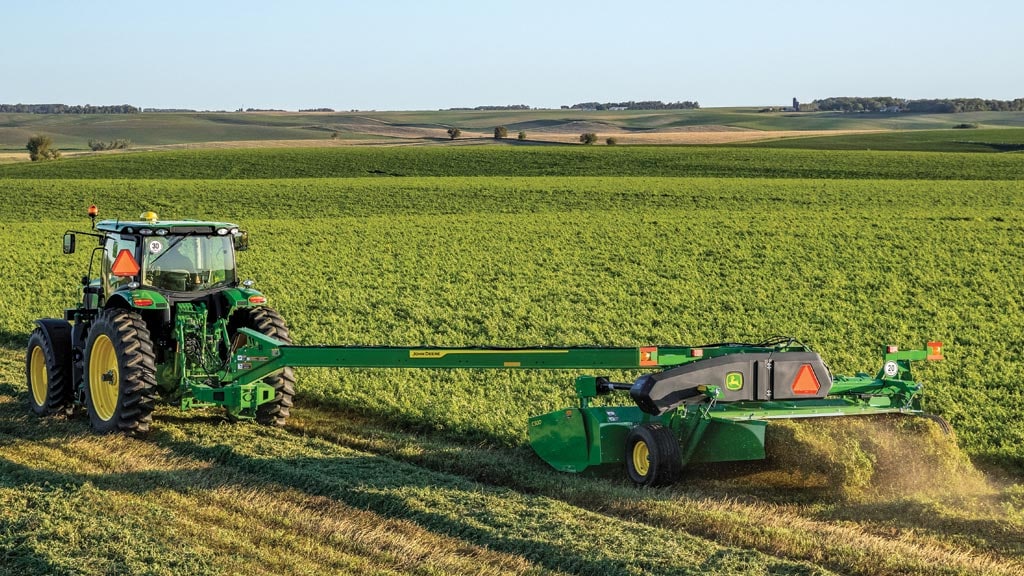
Victorian Dairy Forage Conditioning Demands
Victoria leads Australia’s dairy industry, with mower conditioners critical for harvesting ryegrass and clover mixes that fuel high-production herds year-round. In Gippsland’s fertile valleys, where rainfall supports lush growth but also threatens delays, these machines cut wide swaths and condition stems aggressively to promote rapid moisture release. Drive shafts transmit power to both cutterbar and conditioning rolls, handling the dual loads of high-speed discs plus roller resistance in thick, wet crop.
Operators in areas like Warragul and Sale face stony soils and undulating terrain that stress components daily. Over extended experience supplying local contractors, our shafts with enhanced angular tolerance have proven reliable, allowing smooth operation even when lifting over contours or turning sharply at headlands. One established dairy enterprise near Bairnsdale upgraded after vibration issues damaged roller bearings; the switch to balanced, heavy-series assemblies reduced resonance noticeably, extending equipment life and permitting longer daily runs during spring flushes.
The region’s cool, moist conditions favor rubber or steel intermeshing rolls for gentle yet effective crimping—shafts must deliver consistent torque without surge that could unevenly condition crop. Comparisons highlight strengths; while brands like Krone or Kuhn offer capable performance (for technical reference only, Australian Driveshaft Pty Ltd is an independent manufacturer), our locally refined designs better manage the abrasive pasture residues and occasional rock impacts common here.
Quick windrow formation suits merging attachments popular in Victorian setups, with shafts incorporating overrunning features to handle inertial stops safely. The result supports tighter baling windows, preserving leaf retention and nutritional value vital for milk production.
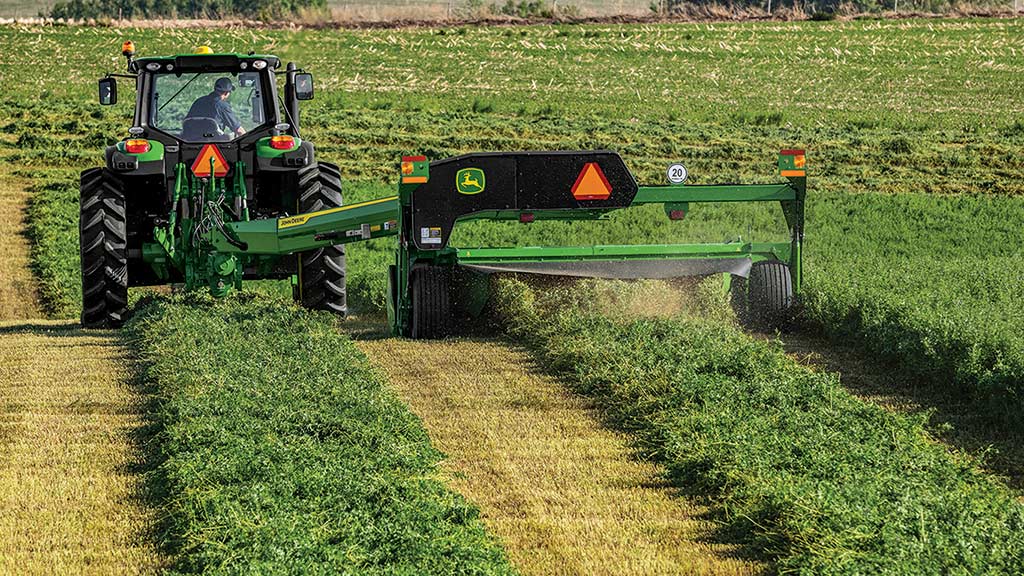
Core Technical Parameters for Mower Conditioner Drive Shafts
| Parameter | Description | Typical Australian Range |
|---|---|---|
| Operating RPM | PTO speed | 540 to 1000 RPM |
| Torque Capacity | Continuous load | 1200 to 3500 Nm |
| Peak Torque | Engagement spikes | Up to 5000 Nm |
| Angular Operating Angle | Misalignment | 35 degrees standard |
| Wide-Angle Joint | Turn capability | Up to 80 degrees optional |
| Telescoping Adjustment | Length variation | 450 to 950 mm |
| Tube Profile Shape | Torque transfer | Triangular or star |
| Cross Journal Dimensions | Bearing size | 30×80 mm to 35×98 mm |
| Tractor Spline Configuration | Connection | 1-3/8″ 6 or 21-spline |
| Implement Yoke Type | Cutterbar input | Clamp bolt or quick-lock |
| Guard Freedom | Rotation | 360 degrees with bearings |
| Dynamic Balance | Vibration grade | ISO G4.0 |
| Maximum Extended Length | Span | 1500 to 2800 mm |
| Safety Overlap | Tube engagement | Minimum 250 mm |
| Torque Limiter Rating | Slip threshold | 2500-4500 Nm |
| Journal Service Life | Greased hours | 500-900 in forage |
| Seal Effectiveness | Residue barrier | Triple-lip system |
| Tube Steel Grade | Strength | St52 or equivalent |
| Assembly Weight | Total | 20-40 kg |
| Friction Disc Count | Clutch plates | 6-10 |
| Factory Test Speed | Balance check | 1300 RPM |
| Surface Protection | Coating | Electrophoretic |
| Temperature Tolerance | Range | -5°C to 75°C |
| Guard Durability | Material | High-impact plastic |
| Grease Requirement | Interval | Every 50 hours |
| Power Handling | HP rating | 100-250 HP |
| Yoke Material | Forging | 1045 steel |
| Release Mechanism | Quick connect | Auto-lock |
| Safety Standard | Compliance | AS/NZS aligned |
| Overrunning Feature | Inertia | Cam type optional |
| Wall Thickness | Tube | 4-5.5 mm |
| Spline Security | Engagement | Minimum 60 mm |
| Vibration Control | Dampers | Internal options |
| Adapter Compatibility | Various models | Wide range |
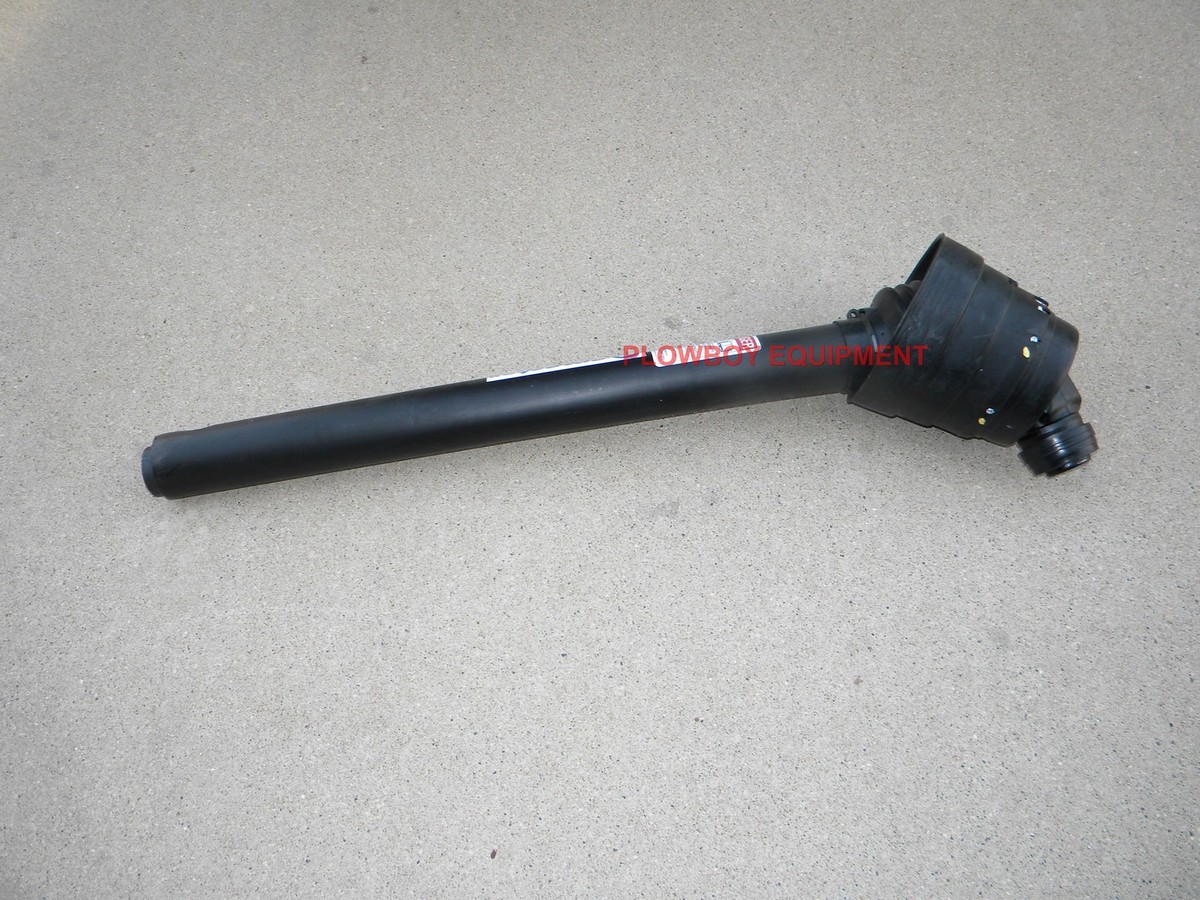
New South Wales Lucerne Hay Production Insights
New South Wales hosts significant lucerne stands in the Riverina and slopes, where mower conditioners with flail or roller systems maximize leaf retention while speeding dry-down for export-quality hay. Wide cuts up to 4 meters demand shafts transmitting power across long cutterbars, with conditioning intensity adjustable for varying stand densities.
In irrigated districts near Deniliquin, dust and stem fragments challenge longevity—our sealed, balanced shafts have consistently outperformed, allowing contractors to complete multiple cuts efficiently. One hay exporter near Hay noted reduced roller wear after standardizing on reinforced joints, attributing it to smoother torque delivery in heavy first cuts.
The region’s hot summers favor aggressive conditioning; shafts with integrated limiters protect against overload in lodged crop common after wind events. Merging capabilities popular here benefit from precise power flow.
Complementary Gearboxes and Accessories from Australian Driveshaft Pty Ltd
Australian Driveshaft Pty Ltd manufactures comprehensive gearbox solutions tailored for mower conditioner power transmission, ensuring seamless pairing with our drive shafts for superior hay quality and field efficiency. Right-angle bevel gearboxes dominate cutterbar drives, featuring spiral bevel gears in ratios suited to disc speeds, with heavy-duty housings that absorb the constant shocks from uneven ground. Sealed lubrication systems resist forage juice ingress common in lush pastures, while multiple output configurations match varying conditioner roll setups prevalent in Australian equipment.
For intermeshing roller conditioners requiring synchronized speeds, our parallel shaft gearboxes deliver precise differentials, helical gearing providing quiet, vibration-free operation even at high throughput. Torque ratings exceed 4000 Nm, supporting wide machines in large-scale operations, with adjustable mounts fitting diverse frames.
Flail conditioner drives benefit from planetary reduction gearboxes, compact yet powerful for tine rotor speeds that thoroughly scramble stems without excessive leaf loss. Worm units serve auxiliary functions like windrow shields or merging belts, offering high reductions in durable packages.
Safety devices include advanced friction clutches with multi-plate designs adjustable for crop type, slipping smoothly on obstructions while maintaining conditioning intensity. Ratchet limiters provide instant overload release, cam overrunning clutches control rotor momentum safely.
Universal joint kits in premium grades enable quick repairs, forged yokes ensuring connection integrity under load. Spline adapters accommodate mixed tractor fleets, extending usability across generations.
Guarding systems with integrated chains and UV-resistant materials comply with local standards, featuring easy-spin bearings for maintenance access. Maintenance kits supply specialized greases for residue resistance, seal packs, and cross rebuild components.
Custom telescoping assemblies handle seasonal variations, vibration isolators enhance comfort on extended days. All gearboxes undergo rigorous testing—impact simulation, residue exposure, thermal cycling—to thrive in real Australian conditions where others falter.
These integrated products minimize downtime and optimize dry-down consistently. Dairy and hay producers report higher nutritional retention and faster baling when running complete systems from Australian Driveshaft Pty Ltd, crafted with deep understanding of local forage challenges and machine evolutions. Extensive mounting guides, ratio selections, and service data support ideal configurations for specific conditioner types and cutting widths.
Australian hay equipment advancements into 2026 focus on wider, lighter mower conditioners for improved efficiency, with strong demand in dairy regions amid favorable seasonal outlooks.
Frequently Asked Questions
What shaft series best matches mower conditioners?
Series 6-8 for most Australian models; select based on width and tractor HP for optimal conditioning.
How protect from forage residue buildup?
Multi-lip seals and regular cleaning; grease after each use displaces stems effectively.
Why torque limiters on conditioner rolls?
Prevents damage from rocks or thick patches while maintaining even crimping.
Wide-angle needed in flat pastures?
Useful for headlands and transport; standard often suffices on level ground.
Grease schedule for hay season?
Every 40-60 hours; more frequent in dusty lucerne.
Vibration sources in mower conditioners?
Residue imbalance or phasing issues; check joints and balance seasonally.
Overrunning clutch advantages?
Manages roller inertia on stops, reducing stress.
Length measurement tips?
At cutting height; ensure generous overlap and extension range.
Safe custom cutting procedure?
Equal marks on all parts, precise cuts, thorough deburring.
Storage best practices?
Covered, greased, supported to prevent sagging.