
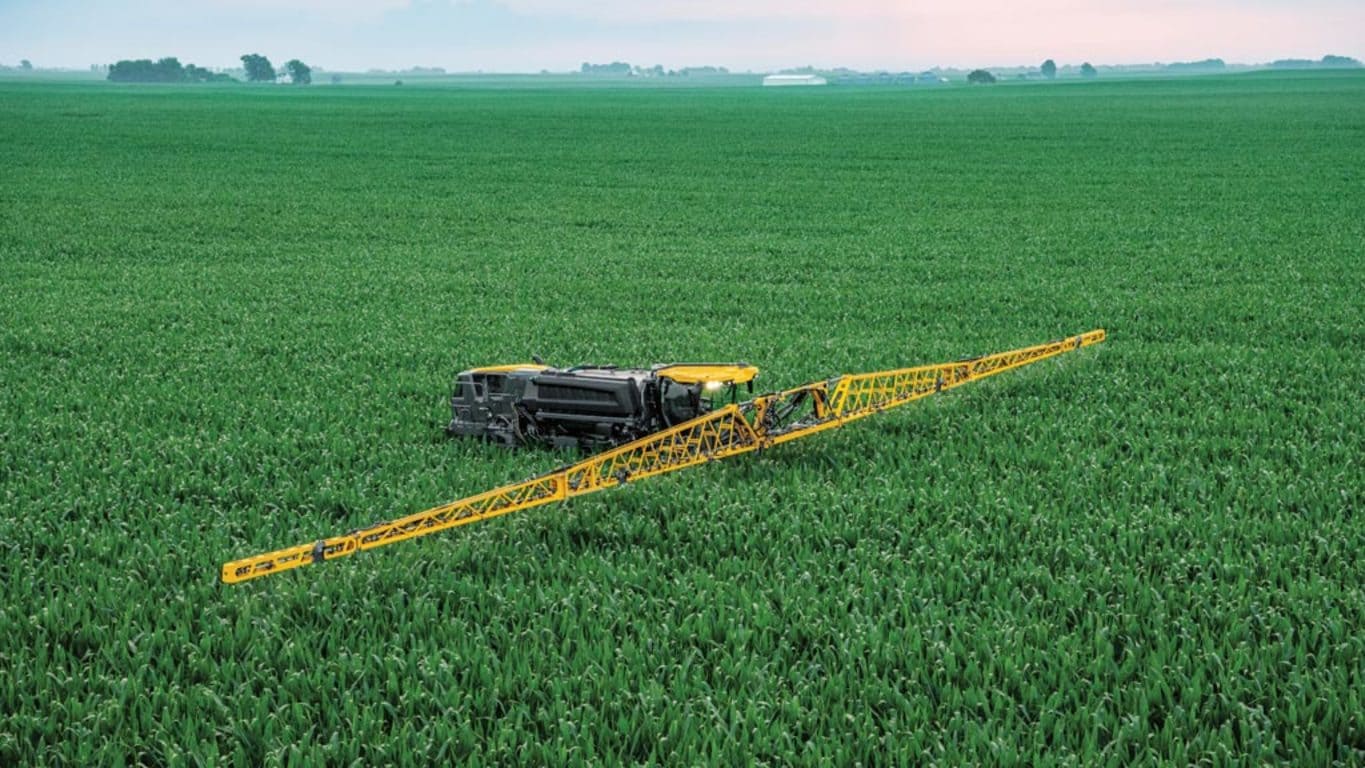
Boom sprayers stand as indispensable tools for targeted chemical delivery in broadacre grains, cotton, and horticulture, extending arms to cover vast areas with controlled droplet sizes minimizing drift. Trailed and mounted models draw power via PTO shafts to diaphragm or centrifugal pumps, while self-propelled units incorporate similar drivelines for agitation or auxiliary functions. Australian Driveshaft Pty Ltd engineers shafts resilient to dust, chemicals, and vibration, supporting operators from Western Australia’s wheat belts to Queensland’s cotton fields in achieving precise applications that protect yields and the environment.
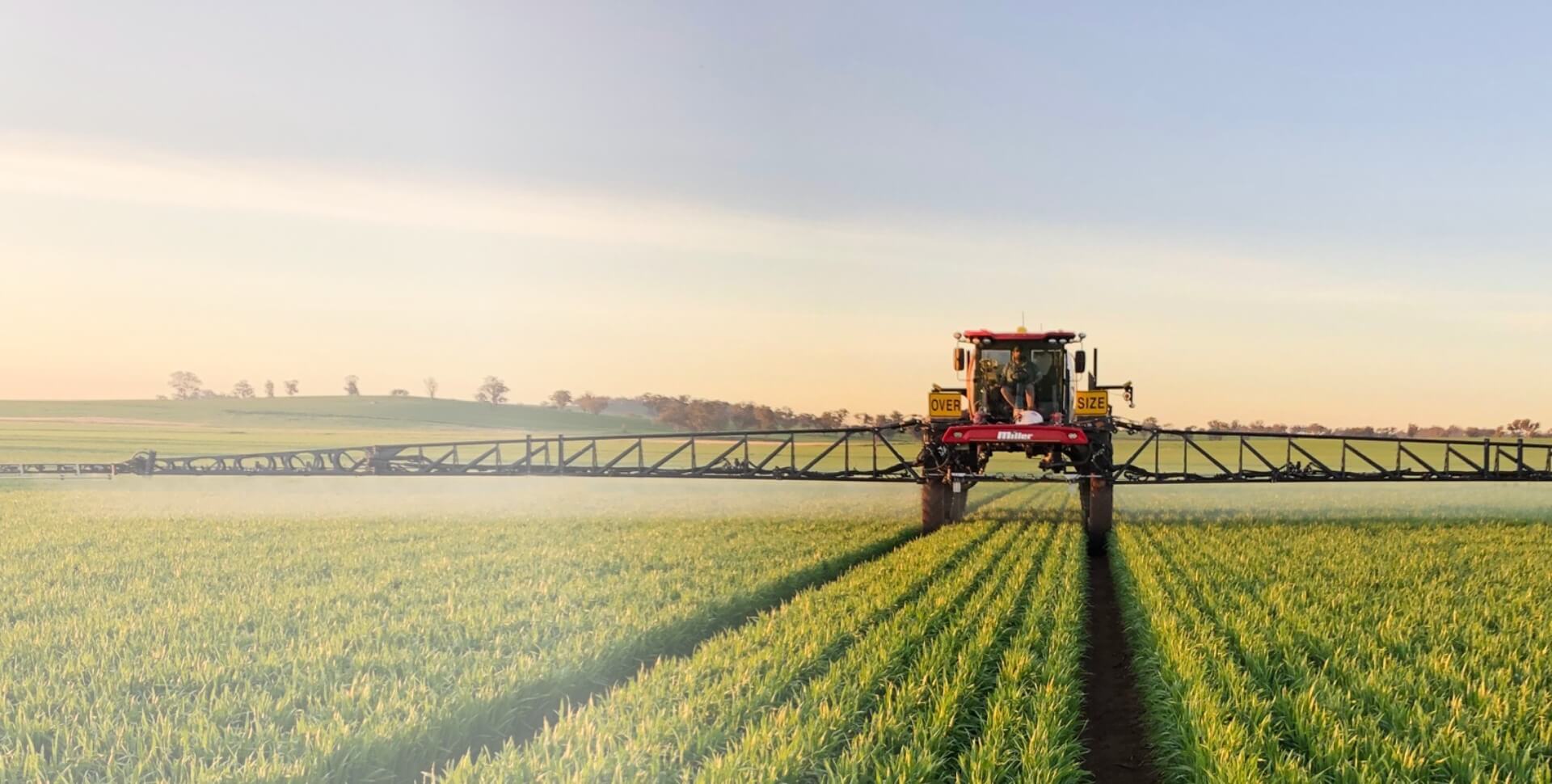
Consistent pump speeds maintain pressure for uniform coverage essential in variable rate technology.
Darling Downs Queensland Broadacre Spraying Realities
Queensland’s Darling Downs represents intensive cropping with massive trailed boom sprayers tackling summer weeds and in-crop fungicides across black soil plains. Operations near Dalby deploy 36-48 meter booms folded hydraulically, placing unique demands on shafts for smooth power during unfolding and turns in sticky clays. Drawing from direct work with growers around Chinchilla, we’ve addressed issues like chemical residue accelerating joint wear in humid conditions. A large-scale cotton farmer near Goondiwindi switched to our enhanced sealing after pressure drops from dust ingress cost coverage uniformity, resulting in better desiccation ahead of picking. Heat waves push components hard, so thermal-stable lubricants keep performance steady. Wide-angle joints prove vital for headland maneuvers without power interruption. These Downs realities inform builds focused on longevity under high-hour use, aiding integrated weed management that reduces herbicide resistance risks while supporting the region’s export-oriented production.
Core Technical Parameters for Boom Sprayer Drive Shafts
Selection aligns with pump type and boom scale. The following 31 parameters reflect field-proven needs
| Parameter | Description | Typical Specification |
|---|---|---|
| 1. Series Rating | Load class | Series 4-6 |
| 2. Tractor Spline | Connection | 1-3/8″ 6-spline |
| 3. Pump End | Yoke | Quick disconnect |
| 4. Closed Length | Minimum | 950-1350 mm |
| 5. Extended Length | Maximum | 1450-1950 mm |
| 6. Torque 540 rpm | Standard | 550-950 Nm |
| 7. Torque 1000 rpm | High speed | 450-750 Nm |
| 8. Power Capacity | HP | 70-140 HP |
| 9. Tube Shape | Profile | Triangular |
| 10. Overlap | Safety min | 250-400 mm |
| 11. Cross Bearing | Diameter | 27-36 mm |
| 12. Release | Mechanism | Push-pin |
| 13. Guarding | Material | Chem-resistant plastic |
| 14. Overload Device | Clutch | Slip |
| 15. Trip Torque | Setting | 650-1100 Nm |
| 16. Assembly Weight | Total | 24-38 kg |
| 17. Max Angle | Operating | 30-50 degrees |
| 18. Telescopic Stroke | Range | 450-650 mm |
| 19. Shaft Material | Grade | ST52.3 |
| 20. Grease Frequency | Interval | 15-50 hours |
| 21. Chain Retention | Guard | Dual |
| 22. Compliance | Standards | ASABE compatible |
| 23. Dynamic Balance | Grade | G16 |
| 24. Shear Protection | Bolt | 8.8 high tensile |
| 25. Wall Thickness | Tube | 4.5-5.5 mm |
| 26. Surface Treatment | Coating | Chemical resistant |
| 27. Wide Angle Option | Joint | Up to 80 degrees |
| 28. Freewheel Clutch | Available | Optional |
| 29. Dust Sealing | Joints | Triple lip |
| 30. Vibration Control | Design | Low resonance |
| 31. Service Life | Expected hours | 3500-5500 |
Victorian Horticulture and Broadacre Insights
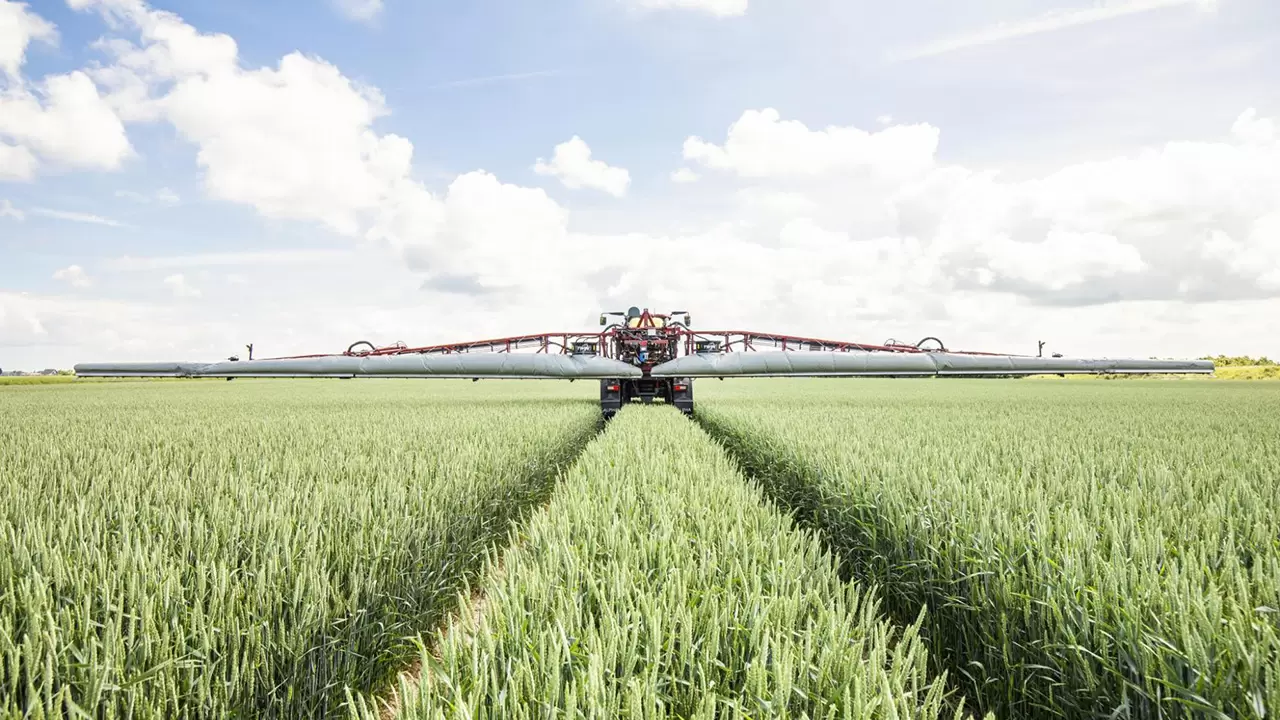
Victoria’s diverse zones from the Goulburn Valley orchards to Wimmera grains use mounted and trailed sprayers for fungicides and insecticides in high-value crops. Operators near Shepparton navigate tight rows with mounted units, requiring compact shafts that tolerate frequent turns without excessive angles. Collaborating with horticulturalists in the Sunraysia, we’ve countered chemical splash degrading guards faster in irrigated settings. A vineyard manager in Mildura adopted our resistant designs after residue buildup caused pump inconsistencies, achieving better canopy penetration for disease control. Cooler southern climates ease heat but increase moisture exposure, demanding robust corrosion barriers. These Victorian applications emphasize precision for low-drift nozzles meeting environmental buffers near waterways.
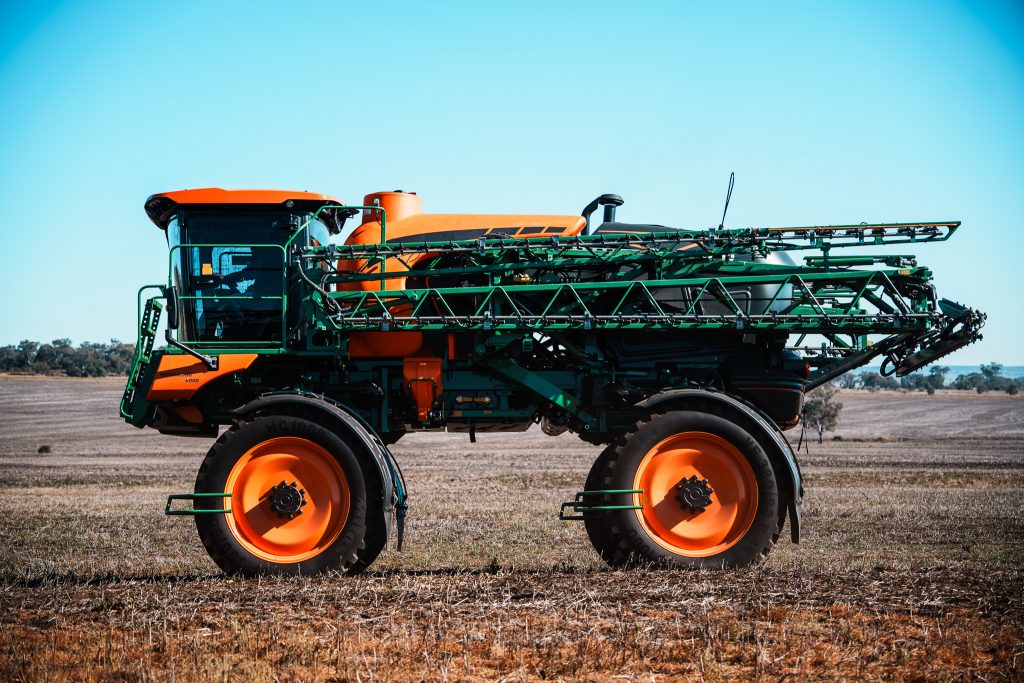
Similar precision in Tasmanian vegetable production.
Performance Against Other Manufacturers
Australian Driveshaft Pty Ltd shafts deliver superior resistance to chemicals and dust. While some alternatives (for technical reference only, Australian Driveshaft Pty Ltd is an independent manufacturer) meet basic needs, our specialized coatings and seals provide extended durability in aggressive spraying environments.
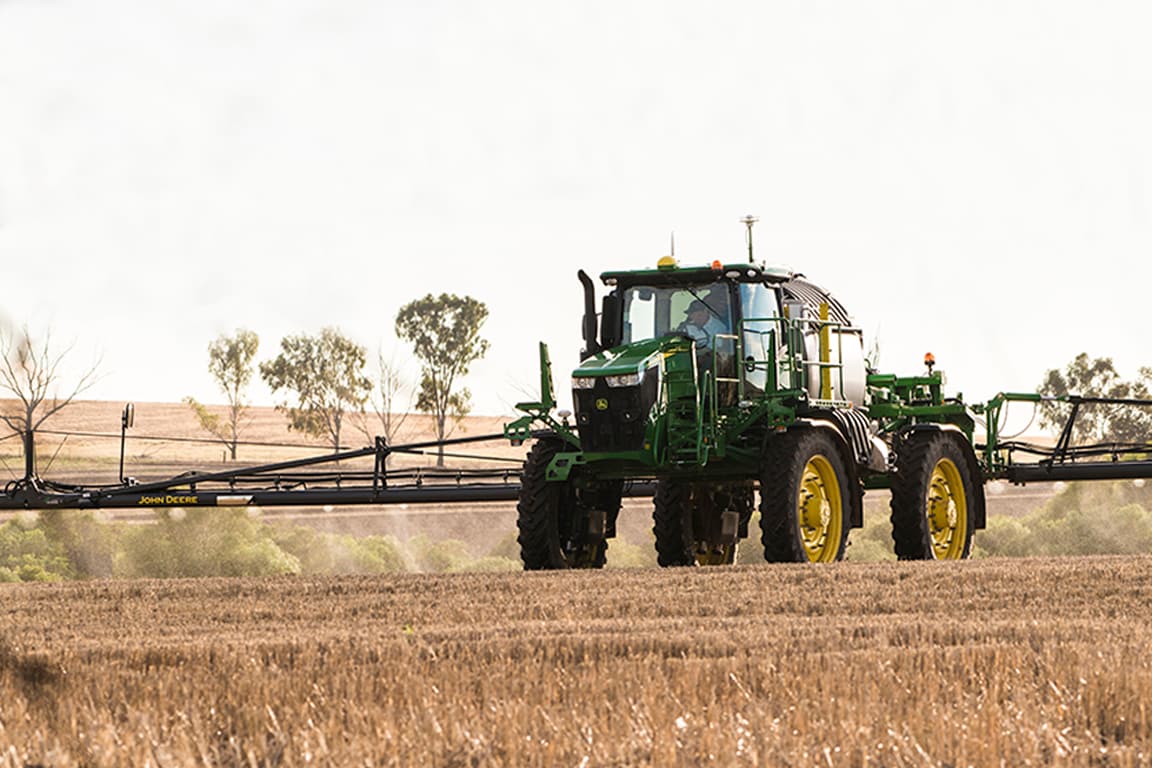
Users note steadier operation and fewer interruptions.
Key Components and Maintenance Items
- Cross bearing kits – inspect regularly
- Slip clutch plates – check wear
- Protective guards – replace damaged
- Shear bolts – carry spares
- Telescoping sections – clean chemicals
- Safety chains – ensure secure
Power System Selection Points Summary
Begin with pump requirements and boom length. Prioritize chemical compatibility, angle flexibility for folding, and vibration reduction for pressure stability.
<iframe src=”https://www.youtube.com/embed/agHFqZ17xfQ” title=”Boom Sprayer Demonstration in Australian Crops”></iframe>
Complementary Gearboxes from Australian Driveshaft Pty Ltd
Our gearbox portfolio complements boom sprayer shafts seamlessly, offering units from lightweight bevel gear models for mounted sprayers in horticulture to heavy planetary types for large trailed and self-propelled systems dominating broadacre operations. Compact designs for 20-30 meter mounted booms in Victorian vegetable blocks handle 80-100 HP inputs with ratios ensuring constant pump rotation for fine droplet control in sensitive crops.
Mid-range helical gear boxes power 36-meter trailed sprayers common in Queensland cotton and grains, delivering 150-180 HP with adjustable outputs accommodating varying tank viscosities from additives.
For massive 48-meter self-propelled units in Western Australia wheat belts, robust planetary reducers manage 250 HP while integrating cooling fins for prolonged summer applications.
All incorporate sealed lubrication systems resistant to chemical splash, quick-drain ports for thorough cleaning between products, and mounting flanges matching popular diaphragm and centrifugal pumps.
Specialized agitation gearboxes maintain suspension in dense formulations, preventing settling during transport.
Recent advancements include corrosion-resistant internals suited to aggressive fungicides and integration points for flow monitoring in precision setups.
Comprehensive repair kits supply complete gear assemblies, bearings, seals, and input shafts for rapid field service.
In New South Wales mixed enterprises, multi-function units allow switching between spraying and other PTO tasks efficiently.
South Australian irrigated zones validate enhanced sealing against mineral-rich water residues.
Emerging models explore variable ratio options for optimizing pressure across speed ranges.
Strategic stocking in regional centers like Moree, Dubbo, and Emerald ensures minimal downtime during critical windows.
Pairing these gearboxes with our drive shafts creates unified power packages maximizing application accuracy and operational uptime across every Australian spraying context.
Recent announcements highlight new linkage sprayer models with improved PTO integration for 2026 seasons, emphasizing durability in variable climates.
Frequently Asked Questions
How do I correctly measure a PTO shaft for my trailed boom sprayer?
Attach the sprayer and lower the boom on level ground. Measure from tractor PTO stub to pump input. Subtract 100 mm for safety, then allow at least 250 mm overlap in working position and full collapse without bottoming when raised. Cut equal amounts from both tubes if shortening.
What causes fluctuating spray pressure during operation?
Often worn universal joints creating vibration or unbalanced shaft assembly. Check phasing of yokes and replace crosses if play exceeds 3 mm. Proper greasing every 20 hours prevents this in dusty conditions.
Why is a slip clutch recommended for boom sprayers?
It protects the pump and driveline from sudden blockages in nozzles or lines, allowing continued operation without shear bolt replacements. Essential for maintaining pressure in long runs.
Can I use a standard shaft on a wide folding boom?
Wide-angle joints are crucial for power transfer during folding and sharp turns. Standard joints risk damage at extreme angles common with 36+ meter booms.
How often should I grease joints when spraying chemicals?
Every 10-15 hours, using chemical-compatible grease. Clean fittings first to avoid contamination accelerating wear.
What minimum overlap prevents shaft separation?
At least one-third tube length, typically 300 mm in extended position. Verify no pull-apart when boom is fully raised.
Is chemical-resistant coating necessary?
Absolutely, as residues corrode standard finishes quickly. Specialized treatments extend life significantly in aggressive formulations.
How to check shaft balance?
Listen for increasing vibration with speed. Professional dynamic balancing restores smooth operation affecting spray uniformity.
Best series for self-propelled sprayer auxiliary drives?
Series 5-6 depending on agitation load. Consult pump HP for precise matching.
Signs it’s time to replace the guard?
Cracks, deformation, or UV fading compromising protection. Replace immediately for compliance.
Can I run at 1000 rpm for higher flow?
Only if shaft, pump, and tractor rated. Most trailed units optimize at 540 rpm for torque.
What protects against dust ingress in dry areas?
Triple-lip seals and regular cleaning of telescoping sections maintain internal integrity.
Importance of proper yoke phasing?
Aligns joints to cancel forces, reducing vibration impacting nozzle consistency.
Storage tips between seasons?
Collapse fully, grease thoroughly, and store covered to prevent UV and chemical residue damage.
Compatibility with variable rate controllers?
Smooth torque delivery from balanced shafts supports precise flow adjustments.