
Manure spreaders play a vital role in recycling nutrients back to pastures and crops, using beaters or spinners to broadcast solid or semi-solid material evenly. PTO-driven models rely on sturdy drive shafts to transfer power reliably, handling heavy loads and corrosive conditions without interruption. Australian Driveshaft Pty Ltd designs shafts that thrive in the demanding environments of dairy effluent management and beef feedlot cleanup, supporting sustainable farming practices nationwide.
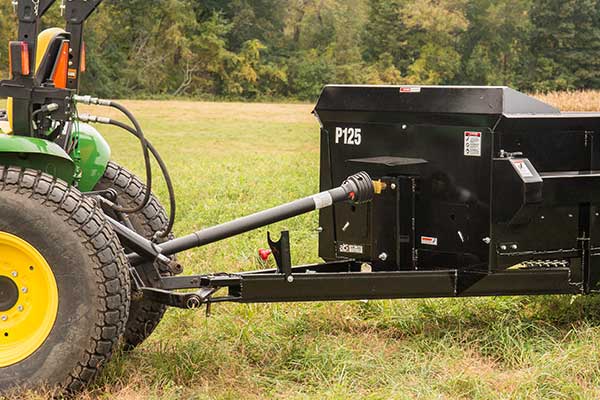
From compact units for small herds to large vertical beater spreaders for intensive operations, the right shaft ensures consistent spreading widths and rates.
Victorian Dairy Region Nutrient Management Practices
Victoria’s dairy heartland, spanning Gippsland to the southwest around Warrnambool, produces vast quantities of manure that must be spread efficiently to maintain pasture productivity while meeting environmental guidelines. Spreaders here often feature vertical beaters for wide, uniform patterns in lush, high-rainfall pastures. Over years assisting farms near Colac and Terang, we’ve seen shafts endure constant exposure to moist, acidic material that accelerates wear on lesser components. One herd manager in the Macalister Irrigation District upgraded after repeated clutch failures in wet seasons, finding our reinforced designs allowed full loads spread without slippage even on sloping ground. The difference meant timely applications aligning with grazing rotations, boosting dry matter yields noticeably. Corrosive elements demand advanced sealing, preventing joint contamination that halts operations mid-field. Integrating overrunning clutches safeguards gearboxes from inertia when lifting heavily loaded boxes. Local regulations emphasize nutrient budgeting, where precise spreading minimizes runoff risks into waterways. These Victorian cases highlight needs for robust torque handling in variable moisture levels, supporting the industry’s focus on sustainable intensification amid tightening effluent rules.
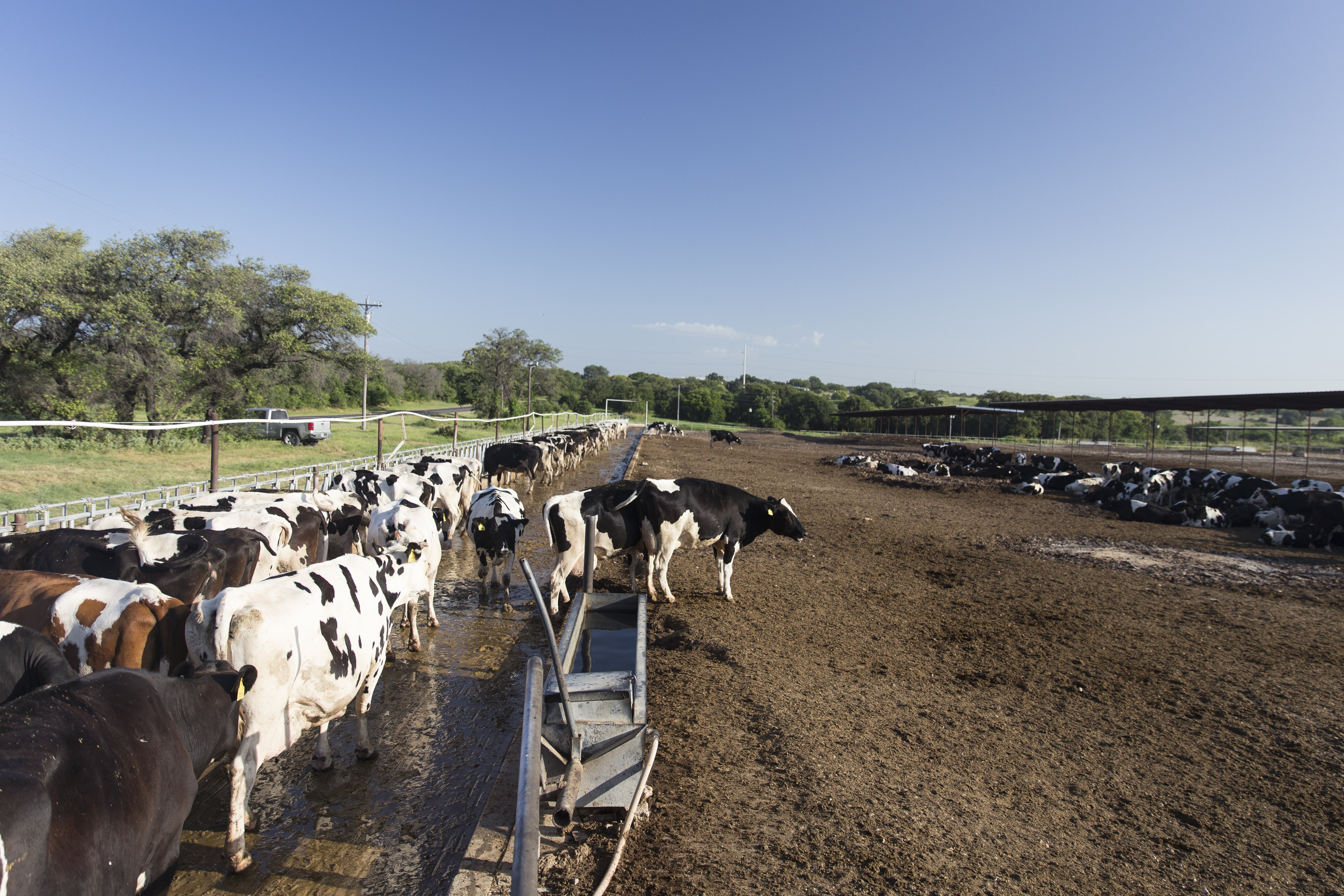
Similar demands in northern Victorian irrigated dairies stress quick turnaround for multiple daily spreads.
Core Technical Parameters for Manure Spreader Drive Shafts
Requirements vary with spreader capacity and beater type. Below are 30 key parameters from real applications:
| Parameter | Description | Typical Range |
|---|---|---|
| 1. Series Classification | Strength tier | Series 5 to 8 |
| 2. Tractor Spline | PTO type | 1-3/8″ 21-spline |
| 3. Spreader Yoke | Input | Bolt-on |
| 4. Closed Length | Minimum | 1000-1400 mm |
| 5. Extended Length | Maximum | 1500-2000 mm |
| 6. Torque 540 rpm | Standard | 800-1800 Nm |
| 7. Torque 1000 rpm | High | 600-1400 Nm |
| 8. HP Rating | Continuous | 80-200 HP |
| 9. Tube Profile | Shape | Star or lemon |
| 10. Overlap Min | Safety | 300-400 mm |
| 11. Cross Size | Bearing | 30-40 mm |
| 12. Quick Connect | Yoke | Collar |
| 13. Guard | Cover | Heavy plastic |
| 14. Protection | Clutch | Ratchet |
| 15. Clutch Torque | Setting | 1000-2000 Nm |
| 16. Weight | Total | 35-55 kg |
| 17. Angle | Max | 35-50 degrees |
| 18. Stroke | Telescopic | 400-600 mm |
| 19. Material | Grade | High tensile |
| 20. Grease | Interval | 20-50 hours |
| 21. Chains | Retention | Dual |
| 22. Compliance | Standards | ASABE aligned |
| 23. Balance | Grade | G6.3 |
| 24. Shear | Bolt | 10.9 |
| 25. Thickness | Wall | 5-6 mm |
| 26. Coating | Corrosion | E-coat |
| 27. Wide Angle | Joint | 80 degrees |
| 28. Freewheel | Option | Yes |
| 29. Sealing | Joints | Triple lip |
| 30. Life | Hours | 4000-6000 |

Queensland Beef Feedlot Operations
Queensland’s extensive beef industry generates significant manure volumes in feedlots around areas like the Darling Downs, requiring heavy-duty spreaders for stockpiled material redistribution to cropping land. Vertical or horizontal beater designs handle dense, fibrous loads, with shafts transmitting high torque to shred and broadcast effectively. Supporting operations near Dalby and Roma, we’ve addressed corrosion from urea-rich effluent that degrades standard components quickly. A large feedlot manager upgraded to our protected shafts after downtime from joint failures cost application windows, enabling consistent nutrient return to grain fields boosting subsequent crop performance. Dry conditions amplify dust ingress, demanding superior seals proven in trials. Overrunning clutches prevent beater windmilling damage on abrupt stops. These Queensland cases underscore demands for peak load handling in intermittent heavy use, aligning with biosecurity and environmental compliance for runoff control.
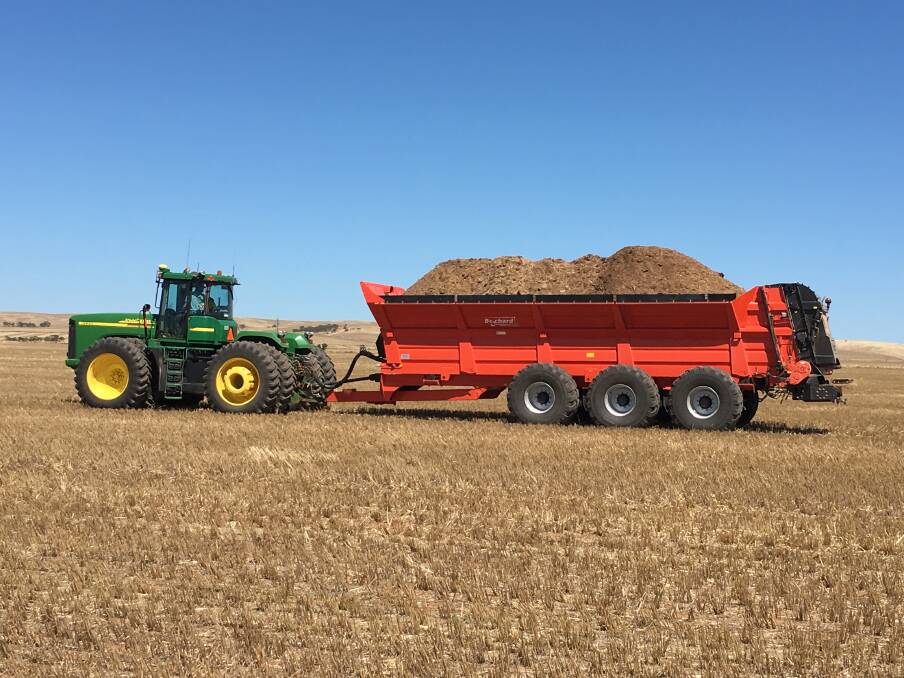
Emerging lot developments emphasize quick load/unload cycles.
Brand Comparisons in Local Conditions
Australian Driveshaft Pty Ltd shafts prove resilient in corrosive manure compared to alternatives. While certain brands (for technical reference only, Australian Driveshaft Pty Ltd is an independent manufacturer) perform adequately, our enhanced corrosion resistance and sealing extend service in harsh environments.
.JPG.2d7183046e8b8b31cccb211e01a6ede7.JPG)
Farmers report reliable power transfer and reduced maintenance.
Vital Components and Consumables
- Cross kits – monitor wear
- Ratchet springs – adjust
- Guards – check integrity
- Shear bolts – spares essential
- Telescoping – clean regularly
- Chains – secure firmly
Power System Selection Points Summary
Start with load capacity and beater type. Focus on corrosion protection, overload devices, and alignment with ASABE-inspired safety practices.
<iframe src=”https://www.youtube.com/embed/some-manure-spreader-demo” title=”Manure Spreader Operation”></iframe>

Complementary Gearboxes from Australian Driveshaft Pty Ltd
Our gearboxes integrate perfectly with manure spreader shafts, from single-speed units for smaller box spreaders in mixed farms to multi-output heavy models for large vertical beater machines in intensive dairies. Compact designs for 50-85 cubic foot units common in Victorian operations feature robust bevel gears handling 80-120 HP with ratios driving apron chains and beaters smoothly. Oil-bath lubrication resists contamination from sticky material.
Mid-range helical gear boxes suit 100-200 cubic foot spreaders in Queensland feedlots, managing 150 HP with separate drives for floor and beaters. Quick-change sprockets allow rate adjustments for different consistencies.
For massive 300+ cubic foot units in corporate operations, planetary reducers deliver 250 HP while incorporating cooling for extended runs. Pass-through options power ancillary hydraulics.
All include heavy bearings for box loads, drain ports for easy cleaning, and mounts fitting common spreader brands.
Specialized vertical beater gearboxes ensure aggressive shredding of fibrous manure for even distribution.
Recent models feature enhanced seals against corrosive elements and monitoring ports for maintenance.
Repair kits offer full gear sets, bearings, and seals for seasonal rebuilds.
In NSW mixed enterprises, versatile units adapt between spreading and other tasks.
South Australian trials validate durability in variable loads.
Future developments include sensor integration for rate control.
Regional warehouses ensure quick parts access during busy periods.
These gearboxes with our shafts provide complete nutrient management solutions nationwide.
Recent reports highlight growing focus on nutrient recycling equipment as farms address sustainability goals.
Frequently Asked Questions
How to choose shaft series for spreader size?
Match to HP and load. Series 6 for medium, higher for large.
Best against corrosion?
Advanced coatings and seals crucial.
Clutch type recommendation?
Ratchet for repeatable protection.
Length setup?
Allow 300 mm overlap loaded.
Grease in sticky conditions?
Every 20 hours thoroughly.
Signs of wear?
Vibration or noise increase.
Wide angle need?
For uneven terrain yes.
Safety guarding?
Full mandatory.
For vertical beaters?
Higher torque series.
Replacement indicators?
Play in joints.