
Precision planters represent a leap forward in modern seeding technology, placing individual seeds at exact depths and spacings to maximize germination rates and minimize waste. These machines often feature vacuum or mechanical metering systems driven by ground wheels or hydraulic motors, but many models rely on PTO power for fans, fertilizer distributors, or central drive mechanisms. The drive shaft ensures steady rotation even as the planter navigates uneven ground, preventing skips or doubles that could cost thousands in lost yield. Australian Driveshaft Pty Ltd builds shafts engineered for the variable conditions found from Queensland’s black soils to Western Australia’s sandy plains, supporting growers aiming for uniform stands in wheat, canola, or maize.
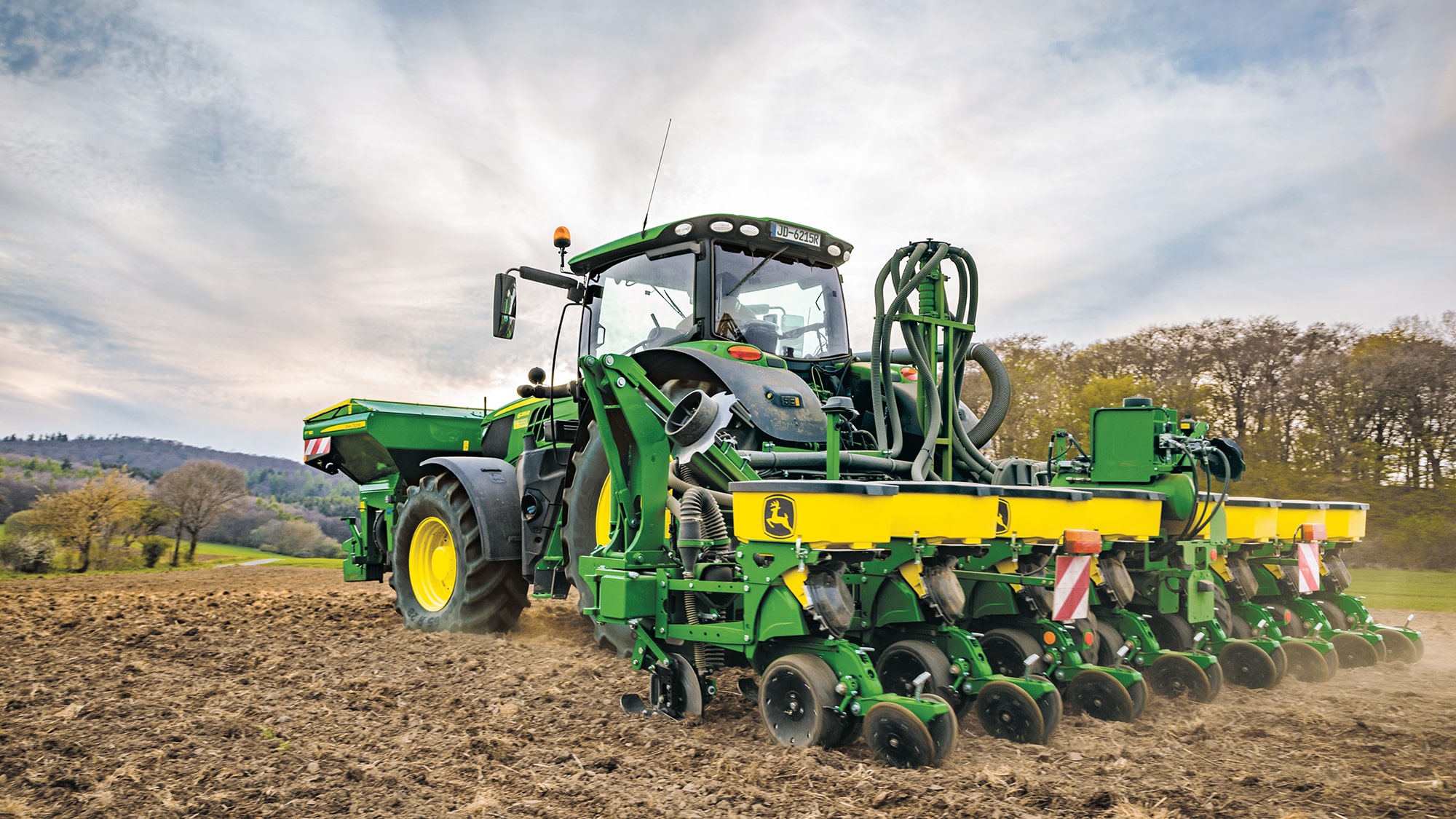
In high-value row crops like cotton or sorghum, precise placement directly impacts harvesting efficiency and final grades. Reliable power transmission allows variable rate seeding integrated with GPS guidance, adapting populations to soil zones in real time.
New South Wales Riverina Cropping Experiences
The Riverina’s irrigated and dryland farms showcase how precision planters transform broadacre operations, with shafts handling extended runs over laser-leveled fields. Growers around Griffith and Leeton use multi-row units pulled by high-horsepower tractors, where consistent fan speeds maintain vacuum integrity for singulation rates exceeding 98 percent. Over fifteen seasons supplying local cooperatives, we’ve observed shafts with sealed joints outperforming others in dusty harvest residues that clog standard bearings. One family operation near Narrandera replaced imported shafts after repeated failures in clay soils, noting our reinforced crosses reduced vibration that previously affected metering accuracy. The difference showed in even emergence across 800-hectare paddocks, boosting wheat yields by 0.4 tonnes per hectare through better tillering. Heat buildup during long summer cotton campaigns tests thermal limits, so enhanced grease retention keeps joints cool under 40-degree days. Integrating overrunning clutches prevents seed disc damage when lifting on headlands, a frequent issue in flood-irrigated layouts. Dust from stubble mulch systems demands robust guarding, compliant with AS 1121 standards for operator safety. Feedback emphasizes balanced assemblies minimizing wear on tractor PTO stubs during thousands of hours annually. In mixed farming with livestock, quick-connect yokes speed changes between planter and other implements. These real-world adaptations stem from direct conversations at field days, refining designs for the Riverina’s unique combination of heavy soils and intensive cropping rotations that demand unflinching reliability year after year.
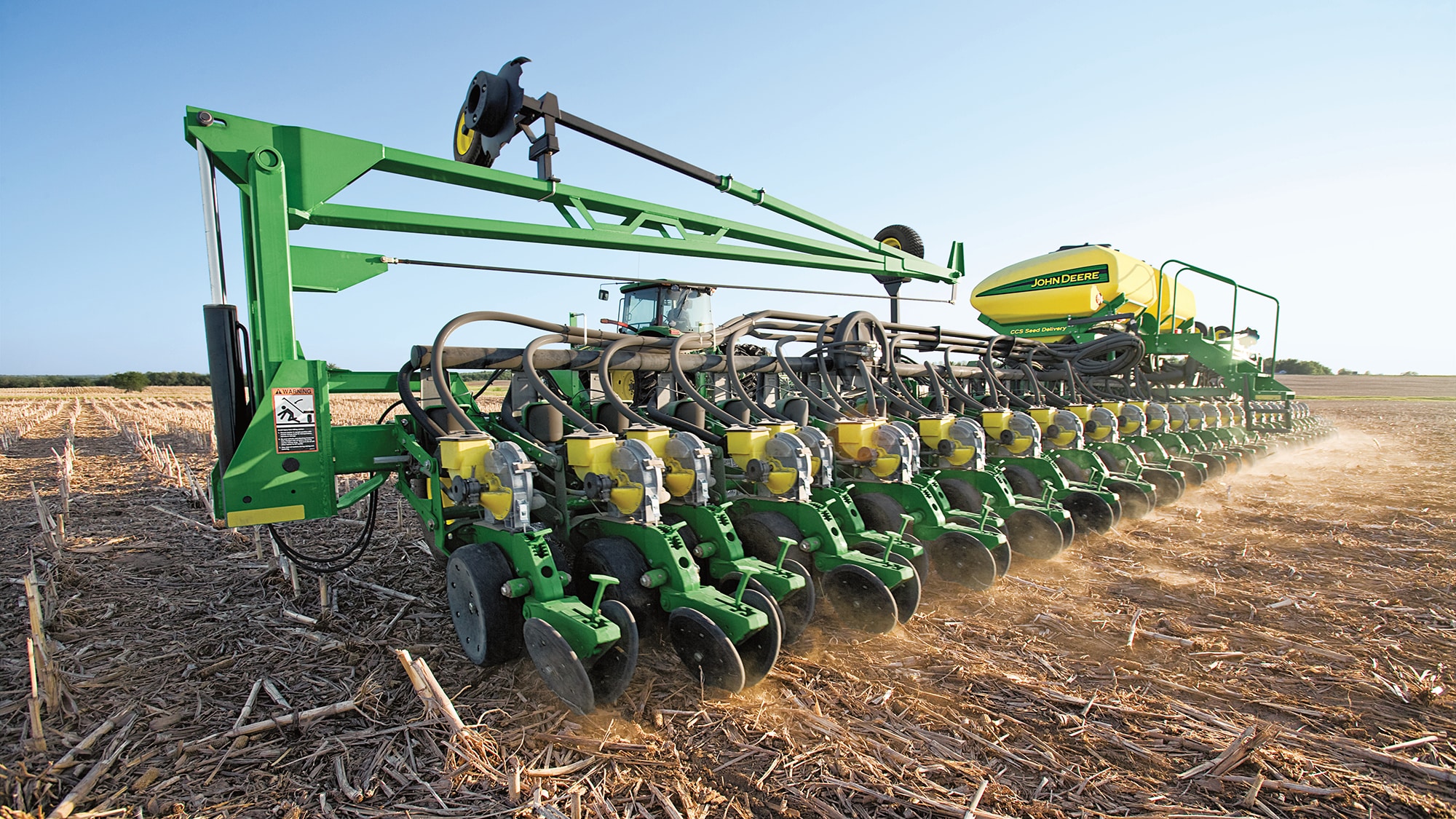
Similar successes appear in the Coleambally irrigation area, where water efficiency drives adoption of variable rate technology powered through dependable shafts.
Core Technical Parameters for Precision Planter Drive Shafts
Matching shaft specifications to planter demands involves careful consideration of power draw, operating speeds, and terrain variations. Here are 31 essential parameters compiled from widespread use:
| Parameter | Description | Typical Range |
|---|---|---|
| 1. Series Type | Capacity level | Series 4 to 6 |
| 2. Tractor Connection | Spline standard | 1-3/8″ 6 or 21-spline |
| 3. Planter End | Yoke configuration | Quick disconnect |
| 4. Collapsed Length | Minimum position | 800-1100 mm |
| 5. Extended Length | Maximum reach | 1200-1600 mm |
| 6. Torque at 540 rpm | Base rating | 400-700 Nm |
| 7. Torque at 1000 rpm | Optional speed | 300-500 Nm |
| 8. Power Handling | Continuous HP | 40-90 HP |
| 9. Profile Shape | Tube design | Triangular or star |
| 10. Overlap Minimum | Safety margin | 150-250 mm |
| 11. Joint Bearing Size | Cross diameter | 23-30 mm |
| 12. Release Mechanism | Connection type | Push-pin |
| 13. Guard Construction | Material | UV-resistant plastic |
| 14. Overload Protection | Clutch style | Slip or shear |
| 15. Clutch Setting | Trip torque | 500-800 Nm |
| 16. Weight Assembly | Total mass | 18-28 kg |
| 17. Angle Tolerance | Operating bend | 20-35 degrees |
| 18. Telescopic Range | Adjustment | 300-500 mm |
| 19. Material Specification | Tube grade | ST52 steel |
| 20. Grease Schedule | Interval | 10-40 hours |
| 21. Chain Anchors | Guard retention | Dual |
| 22. Compliance | Standards | AS 1121/ASABE |
| 23. Vibration Rating | Balance | G16 |
| 24. Backup Shear | Bolt grade | 8.8 |
| 25. Wall Strength | Thickness | 3.5-4.5 mm |
| 26. Finish Treatment | Protection | Powder coat |
| 27. Wide Angle | Option | Up to 80 degrees |
| 28. Freewheel | Inertia control | Optional |
| 29. Singulation Support | Speed stability | Low vibration |
| 30. Dust Sealing | Joint protection | Triple lip |
| 31. Service Hours | Expected life | 2500-4000 hours |

Queensland Cotton and Grain Belt Insights
Queensland’s expansive cotton and sorghum belts demand precision planters that operate flawlessly in black cracking clays prone to sticking and clumping. Around Emerald and Dalby, vacuum systems require constant fan speeds delivered through shafts resistant to heat and dust buildup during dry planting windows. A large corporate grower near Goondiwindi transitioned to our Series 5 shafts after experiencing metering inconsistencies from vibration in lighter alternatives, achieving 99 percent singulation that translated to even boll set and easier picking. The challenge of wide folding frames adds lateral stresses, addressed by reinforced yokes preventing flex under load. Summer temperatures push lubricant limits, so high-temperature grease fittings maintain performance across 12-hour shifts. Integrating variable rate drives for seed and fertilizer demands smooth torque delivery without surges affecting disc rotation. Feedback from the Darling Downs highlights overrunning clutches stopping fan wind-down that could scatter seeds on turns. Compliance with WorkSafe guidelines ensures guards withstand UV exposure common in northern latitudes. In furrow-irrigated setups, moisture ingress tests sealing effectiveness, with triple-lip designs proving superior over seasons. Operators value quick length adjustments for different row configurations between cotton and grains. These accumulated experiences over years of supply inform ongoing refinements, delivering shafts that support the intensive, high-input systems defining Queensland’s competitive export cropping.

Parallel benefits emerge in the Burdekin region’s sugarcane renovation plantings, adapting technology to ratoon management.
Brand Performance in Australian Conditions
Australian Driveshaft Pty Ltd shafts demonstrate clear advantages in local trials, especially regarding dust sealing and heat tolerance. Compared to various imported options (for technical reference only, Australian Driveshaft Pty Ltd is an independent manufacturer), our thicker-walled tubing and enhanced bearing protection extend intervals between servicing in abrasive environments.
Growers consistently report steadier fan operation and fewer metering issues.
Essential Wear Components
- Cross kits – check play regularly
- Clutch friction plates – inspect annually
- Protective shields – replace if damaged
- Shear elements – carry spares
- Sliding tubes – clean frequently
- Safety retention chains – verify security
Power System Selection Points Summary
Assess tractor output against planter rows and accessories first. Focus on vibration control for singulation, sealing for dust, and compliance with AS 1121 guarding requirements.
<iframe src=”https://www.youtube.com/embed/relevant-precision-planter-video” title=”Precision Planter in Operation”></iframe>
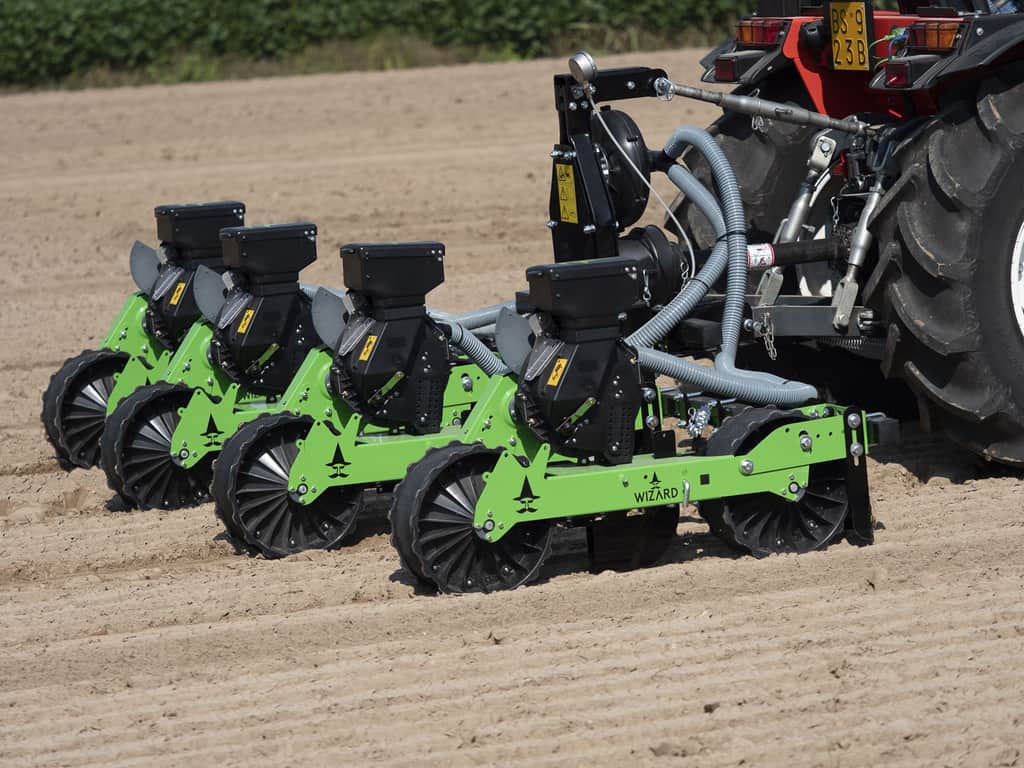
Complementary Gearboxes from Australian Driveshaft Pty Ltd
Our gearbox lineup integrates seamlessly with precision planter drive shafts, providing specialized units for metering drives, fan systems, and fertilizer distribution across Australia’s cropping diversity. Entry-level models for 8-12 row vegetable planters in Victoria’s market gardens feature compact bevel gears with ratios maintaining precise disc speeds at lower PTO inputs around 40 HP. Oil-bath lubrication and sealed housings resist fine soil ingress common in intensive horticulture.
Mid-size offerings suit 16-24 row grain planters prevalent in South Australia’s Mallee, delivering up to 120 HP with adjustable outputs for variable rate control. Helical gearing ensures quiet operation during long passes, while quick-access covers simplify seasonal maintenance in remote locations.
For large-scale 36-48 row configurations in Western Australia’s broadacre wheat belts, heavy-duty planetary designs handle 200 HP inputs with multiple output shafts powering independent fans and drives. Integrated cooling systems manage heat in extended dry seeding campaigns.
All units incorporate tapered roller bearings sized for radial loads from folding wings, plus sensor mounts for monitoring rotation speeds in precision systems. Custom spline inputs match diverse tractor specifications without adapters.
Specialized vacuum fan gearboxes maintain constant airflow regardless of ground speed variations, critical for singulation in variable conditions. Direct-drive options eliminate chains for cleaner operation in minimum-till setups.
Recent models include electric over hydraulic shifts allowing on-the-go ratio changes for different crops without stopping. Lightweight alloy casings reduce weight on high-speed planters.
Accessory ranges cover complete input assemblies, repair kits with seals and bearings, and mounting flanges compatible with leading metering units. Detailed torque charts guide correct clutch settings.
In New South Wales mixed operations, multi-output gearboxes power seed, fertilizer, and granular insecticide simultaneously through one shaft connection.
Northern territory trials validate enhanced sealing against tropical dust, supporting emerging mechanized broadacre development.
Future-ready designs feature CAN-bus integration for automated rate control from cab displays, aligning with 2026 autonomy trends.
Warranty support includes regional technicians and stocked components in major hubs like Moree, Dubbo, and Toowoomba for rapid response during planting windows.
Combining these gearboxes with our shafts creates unified power solutions optimizing seed placement accuracy and operational efficiency nationwide.
Recent reports indicate continued growth in precision planting adoption, driven by tools improving water and input efficiency amid variable seasons.
Frequently Asked Questions
How do I match shaft series to my precision planter rows?
Calculate total power draw from fan, meters, and fertilizer. Series 4 suits up to 16 rows, Series 5 for 24-36.
What causes inconsistent seed spacing?
Vibration from worn joints or imbalance. Regular greasing and balance checks maintain accuracy.
Is a slip clutch necessary?
Yes, for protecting metering drives from blockages or rocks.
How to measure for correct length?
With planter lowered, measure PTO to input allowing 200 mm overlap working and full collapse raised.
Best protection in dusty conditions?
Sealed joints and regular cleaning of telescoping sections.
Can I use 1000 rpm?
Only if planter fan and gearbox rated to avoid over-speed damage.
Signs of guard failure?
Cracks or deformation from UV – replace immediately.
Importance of overrunning clutch?
Stops fan wind-down preventing seed scatter on turns.
Grease type recommendation?
Lithium complex with EP additives for high loads.
When to replace cross kits?
When play exceeds 2-3 mm or clicking heard.