
Smoothing the Way Forward: Drive Shafts Powering Efficient Land Leveling Operations
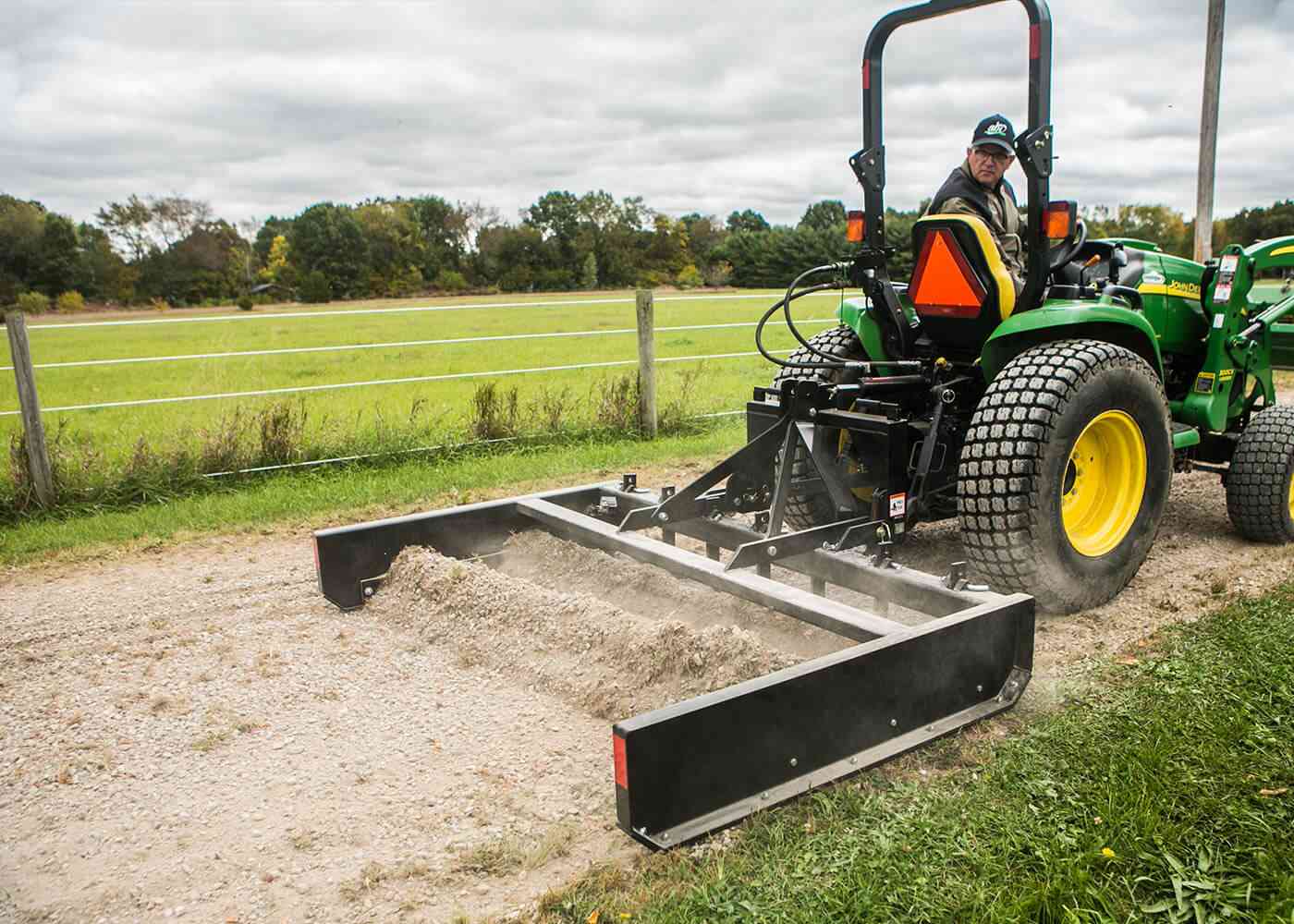
Land levelers, also known as land planes or graders, are indispensable in Australian agriculture for creating even surfaces essential for optimal irrigation, seeding, and crop establishment. From the vast wheat belts of Western Australia to the irrigation districts along the Murray-Darling in New South Wales and Victoria, these implements rely on dependable drive shafts to transmit power from tractor PTOs to hydraulic systems or rotating components in advanced models.
In dryland farming regions like the Eyre Peninsula in South Australia, precise leveling reduces water runoff and improves moisture retention in variable soils. Drive shafts accommodate the angular changes during turns and over uneven ground, ensuring consistent performance without binding.
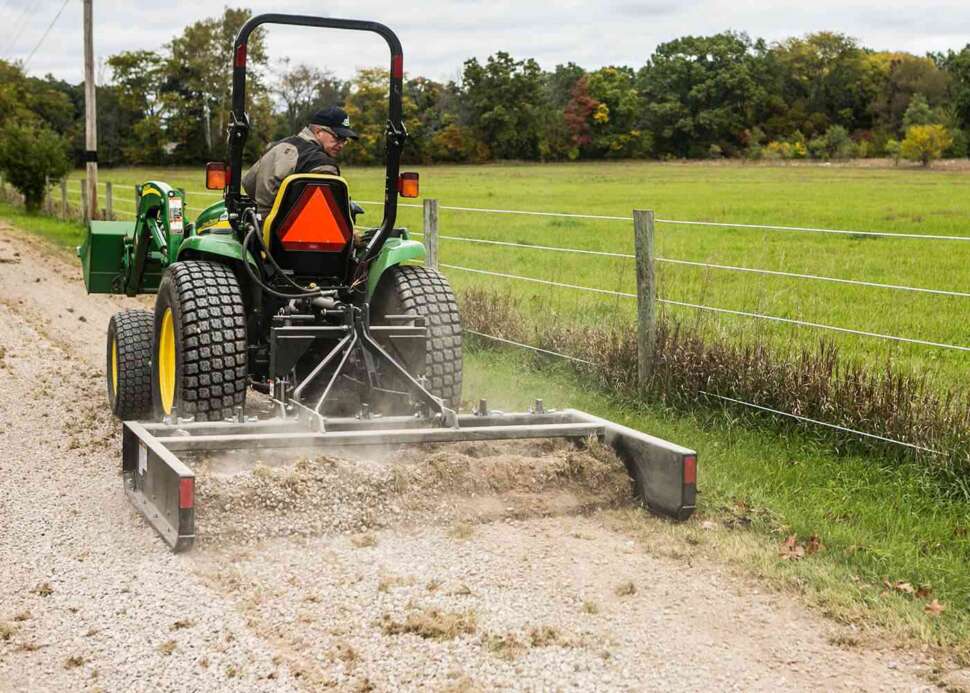
Many modern land levelers incorporate laser-guided systems for millimeter accuracy, where reliable torque delivery prevents interruptions during long passes over hundreds of hectares.
Growers in Queensland’s Western Downs appreciate shafts that handle dust and heat, maintaining grease retention for extended service in remote areas.
Essential Performance Traits for Drive Shafts in Land Leveling
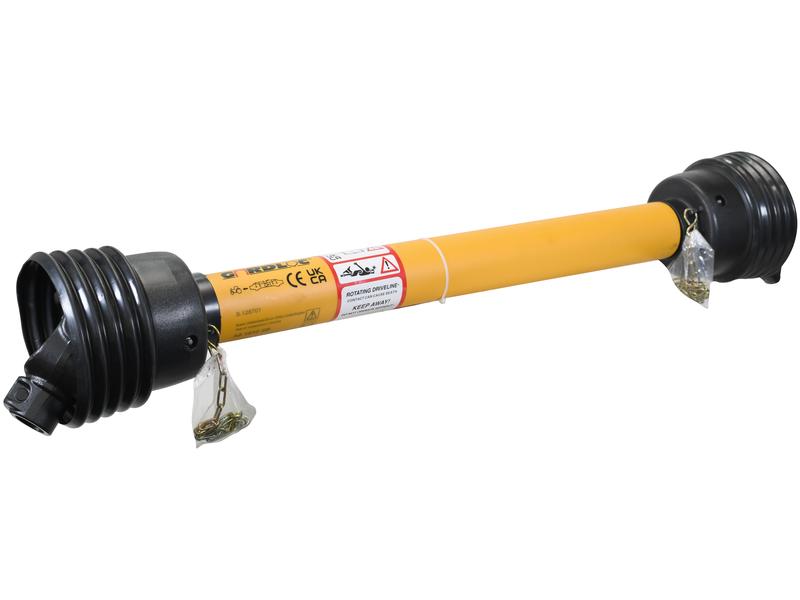
Effective land leveling demands drive shafts capable of smooth power transfer amid constant adjustments in height and angle. Features like telescoping sections allow for hitch variations, while reinforced yokes ensure secure connections under load.
In Australian summers, high-temperature seals and UV-resistant guards protect against degradation, vital for machines left outdoors between uses.
Overload protection via shear bolts or friction clutches safeguards expensive hydraulic components from hidden obstacles.
Detailed Specifications for Optimal Land Leveler Drive Shafts
Selecting the right drive shaft involves aligning it with tractor capabilities and leveler requirements. Below are 30 critical parameters tailored for Australian operations:
| Parameter | Description | Typical Values |
|---|---|---|
| 1. Series Classification | Standard sizing system | Series 5-8 or Metric 5-10 |
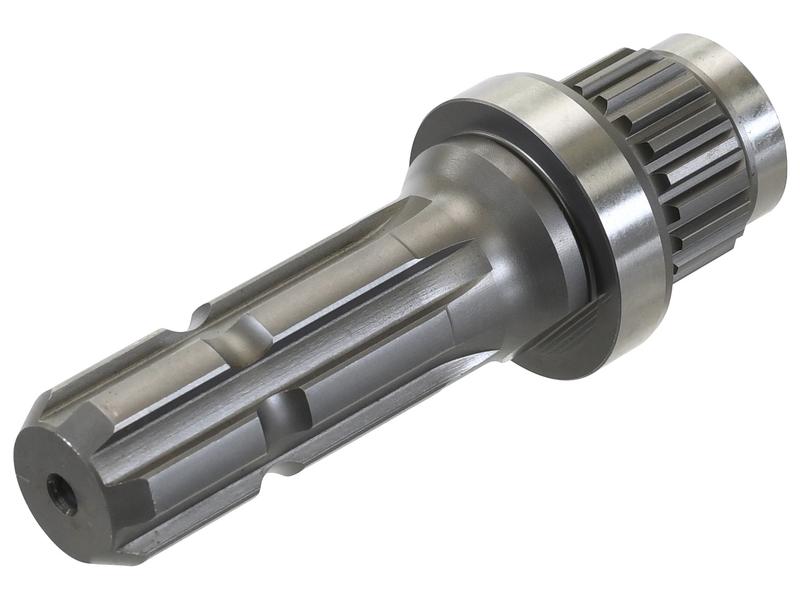
| 2. Tractor PTO Spline | Connection type | 1-3/8″ 6 or 21 spline |
| 3. Implement Connection | Yoke style | Clamp or quick-release |
| 4. Minimum Compressed Length | Closed position | 800-1400mm |
| 5. Maximum Extended Length | Full operation | 1100-2000mm |
| 6. Continuous Torque at 540 RPM | Standard speed | 700-1200 Nm |
| 7. Peak Torque Capacity | Short bursts | Up to 1800 Nm |
| 8. Power Handling | Horsepower range | 60-200 HP |
| 9. Tube Shape | Profile options | Triangular or lemon |
| 10. Tube Wall Thickness | Strength gauge | 3.5-5mm |
| 11. Cross Journal Diameter | Bearing size | 30mm standard |
| 12. Maximum Angle | Operating flexibility | 35-50 degrees |
| 13. Guard Material | Protection type | High-impact plastic |
| 14. Lubrication Interval | Grease frequency | 20-50 hours |
| 15. Overload Device | Protection mechanism | Shear bolt M10 |
| 16. Clutch Setting Range | Adjustable torque | 900-2200 Nm |
| 17. Assembly Weight | Total mass | 18-40 kg |
| 18. Steel Grade | Material quality | ST52.3 or equivalent |
| 19. Corrosion Protection | Surface finish | Phosphated and painted |
| 20. Dynamic Balance | Vibration standard | ISO G16 |
| 21. Minimum Overlap | Safety requirement | 200mm working |
| 22. CV Joint Availability | Wide angle option | 80-degree capable |
| 23. Release Mechanism | Quick disconnect | Push button |
| 24. Guard Retention | Security chains | Standard inclusion |
| 25. Compliance Standards | Safety certifications | ASABE/ISO compliant |
| 26. Temperature Rating | Operational range | -15°C to 85°C |
| 27. Seal Type | Dust protection | Triple lip |
| 28. Expected Life Cycles | Fatigue resistance | 1.5 million+ |
| 29. Tolerance Fit | Precision | H8 bore |
| 30. Service Warranty | Coverage | 24 months field use |
These ensure compatibility with wide-span levelers pulled by mid to high horsepower tractors prevalent in grain production.
Western Australian Dryland Leveling Practical Insights
In the Geraldton and Kwinana regions, land levelers combat wind erosion on sandy soils, where drive shafts with enhanced dust sealing prove essential during prolonged dry spells.
A grower near Esperance noted reduced vibration and longer joint life after fitting reinforced crosses suited to abrasive conditions.
New South Wales Irrigation Field Experiences
On the Riverina plains, laser-guided levelers demand precise power for hydraulic controls, with shafts providing stable delivery over flooded bays.
Farmers report fewer adjustments needed when using telescoping designs that maintain overlap on undulating river flats.
Vital Parts and Maintenance Focus Areas
Cross kits, telescoping tubes, and protective guards wear fastest. Inspect for play in bearings and cracks in plastic shielding regularly.
Carry spare shear bolts for quick field repairs when striking roots or rocks.
Clean and regrease after dusty operations to prevent seal failure.
Compatibility with Established Designs
Our drive shafts align with common specifications from brands like Walterscheid, Bondioli & Pavesi, and Comer (for reference purposes only; Australian Driveshaft Pty Ltd operates independently). Direct replacements maintain torque and safety features.
Observing Drive Shaft Performance During Land Leveling
<video controls> <source src=”https://www.youtube.com/embed/MkE1B73lPvw” type=”video/mp4″> Your browser does not support video. </video>
This field demonstration illustrates steady operation on a laser-equipped leveler in typical broadacre settings.
Integrated Gearboxes Enhancing Land Leveling Systems
Beyond flexible drive shafts, Australian Driveshaft Pty Ltd produces complementary gearboxes that integrate seamlessly for powered levelers or auxiliary functions.
Our bevel gearboxes redirect PTO power to side-mounted scarifiers, using spiral gears for quiet, efficient 90-degree turns with ratios from 1:1 to 1:2.5, supporting up to 180 HP in heavy clay breaking.
Parallel shaft models offer speed reduction for controlled blade rotation in specialized graders, with hardened gears in oil-bath cases ensuring longevity in abrasive soils.
Pump drive gearboxes power hydraulic wings on wide machines, featuring multiple outputs and clutch engagement for smooth folding without stopping.
Planetary gearboxes provide compact high-torque multiplication for post-leveling rollers, with sealed units resisting water ingress during flood irrigation prep.
Worm gearboxes suit fine adjustment mechanisms, delivering precise low-speed control with self-locking features.
Multi-output splitter gearboxes allow simultaneous powering of levelers and seeders in one-pass operations.
Rotary cutter gearboxes pair well for pre-leveling vegetation clearance, incorporating overrunning clutches.
Angle gearboxes for laser mast drives maintain accurate positioning over long distances.
Custom mounting flanges adapt to Australian-made frames from brands common in local sheds.
All units use premium bearings and seals rated for extreme temperatures encountered from northern tropics to southern winters.
Recent additions include sensor ports for monitoring in precision setups.
Over years supplying to contractors across states, our gearboxes have proven reliable in demanding contour banking and pad construction.
Combining with matching drive shafts forms complete systems backed by comprehensive support.
High-ratio reduction boxes for slow-speed high-torque scraping in hardpan breaking.
Lightweight options for smaller tractors maintaining maneuverability.
And more specialized variants for unique regional needs.
Frequently Asked Questions About Drive Shafts for Land Levelers
How do I determine the proper drive shaft length for my leveler?
Measure from tractor PTO to implement input at working height, subtract 100mm for safety, ensure 200mm minimum overlap when extended.
What horsepower requires which series shaft?
Up to 120 HP suits Series 6; higher demands Series 8 for reserve capacity in tough pulls.
Why does the shaft make noise during turns?
Excessive angle or worn joints; limit to 35 degrees and replace crosses showing play.
How frequently to lubricate in dusty conditions?
Every 10-20 hours; pump fresh grease until old purges from seals.
Shear bolt versus slip clutch for protection?
Shear bolts simple and inexpensive; clutches allow reset without parts replacement in variable terrain.
Can I extend a short shaft safely?
Better to replace; extensions compromise balance and overlap safety.
What guarding meets Australian requirements?
Full coverage with chains and bearing supports per ASABE guidelines.
When to upgrade to CV joints?
For frequent sharp turns or steep contours needing over 50-degree angles.
Proper quick-disconnect engagement?
Push until click, pull back to verify lock; clean splines regularly.
Signs of impending joint failure?
Clicking sounds, visible rust at caps, or stiffness when rotating by hand.
Current Insights in Australian Agricultural Drivelines
Early 2026 updates highlight growing use of laser-integrated levelers with enhanced shaft guarding for safety compliance. Industry discussions emphasize durable components amid expanding precision farming investments in grain zones.
Reach out to Australian Driveshaft Pty Ltd for tailored drive shaft and gearbox solutions optimizing your land leveler performance.